The Miracle of Blocking

Sunday, July 9, 2023

Let’s talk about the miracle of blocking hand knits. There are a bunch of different ways of blocking your knitwear and sometimes, I’ll admit openly, I don’t block things. I seldom block socks, for example. They get all stretched out when I put them on my feet. If I’m gifting socks, I may lay them flat in a nice way and hand “press” them. But some things really benefit from a true process called blocking – steam blocking, wet blocking – often it depends what I’ve knitted that decides how I block it.

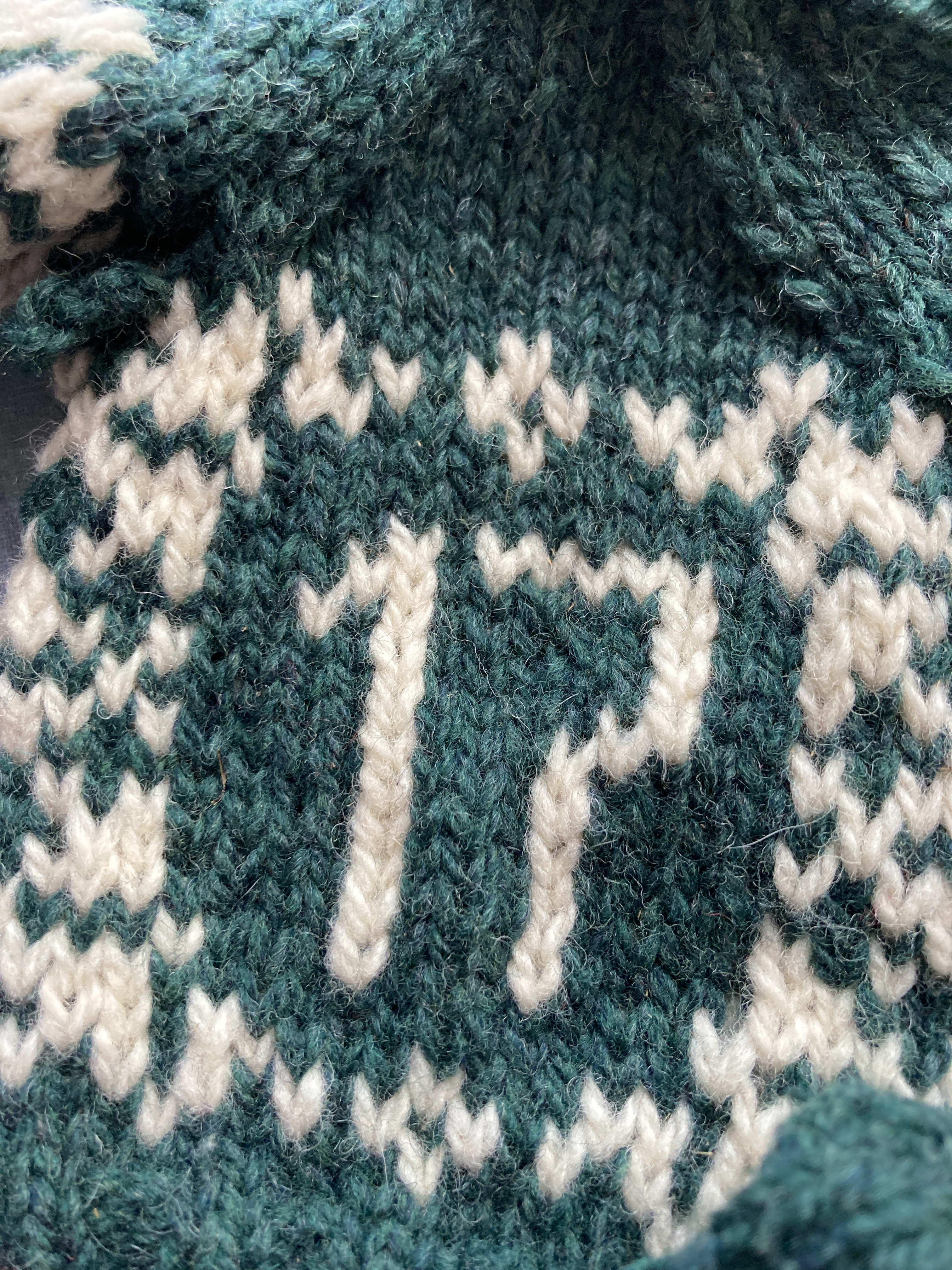
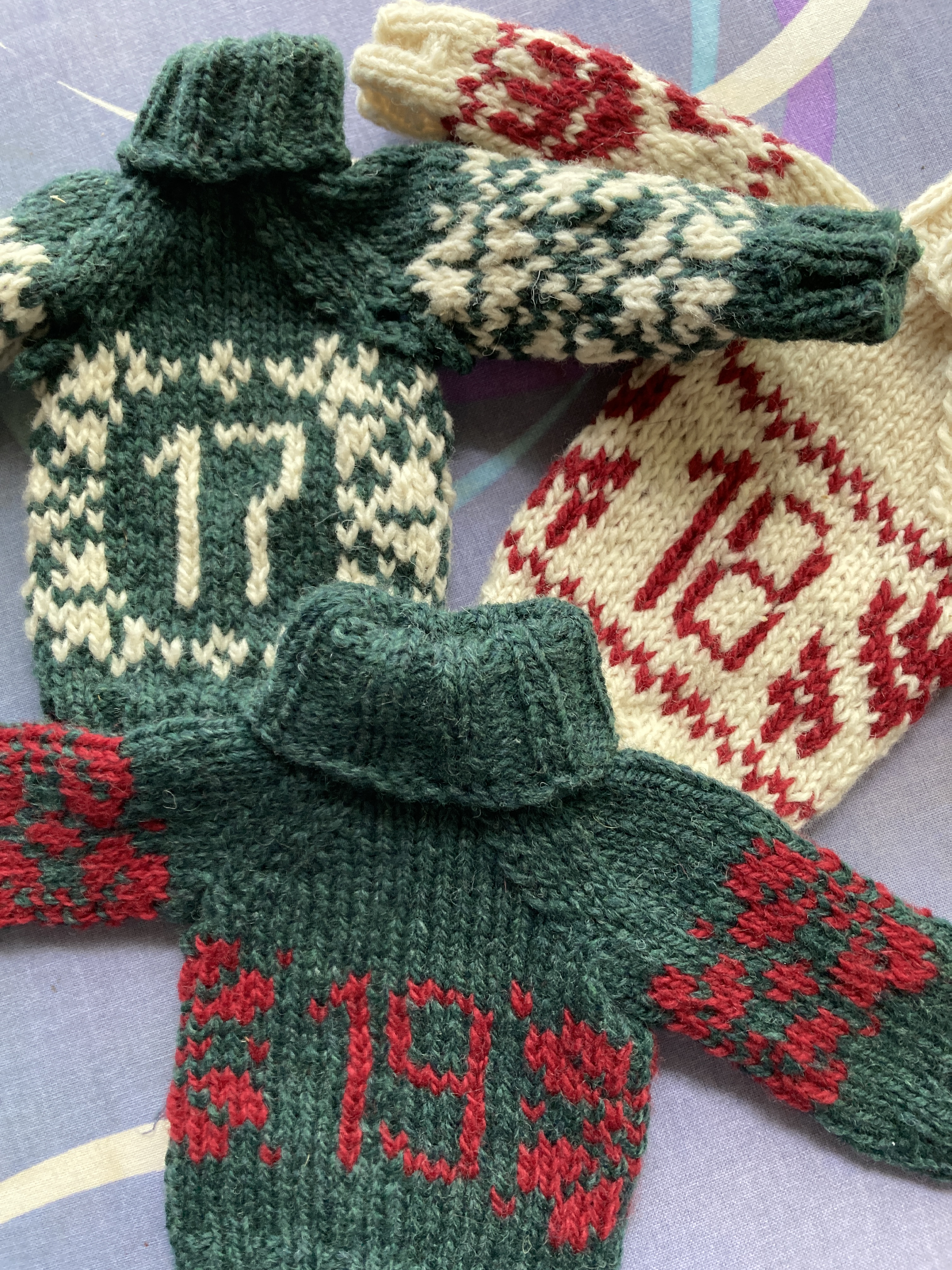
The Arne and Carlos Mini Nordic Jumpers that I’ve been chipping away at over the last couple of years are a good example of how blocking changes the look of the stitches. In the first three photos below, you can see that the stitches as I’m knitting them are a bit wonky and not all the same size.

But the last photo, above, shows how they look after a good steam blocking. In this instance I used my steam iron, on the linen setting, and a damp white hand towel to gently steam the stitches. I place the damp towel on top of the little sweater and then gently press with the iron to apply wet and heat which tames the stitches. I always feel so accomplished when the stitches are all the same size and look so orderly.
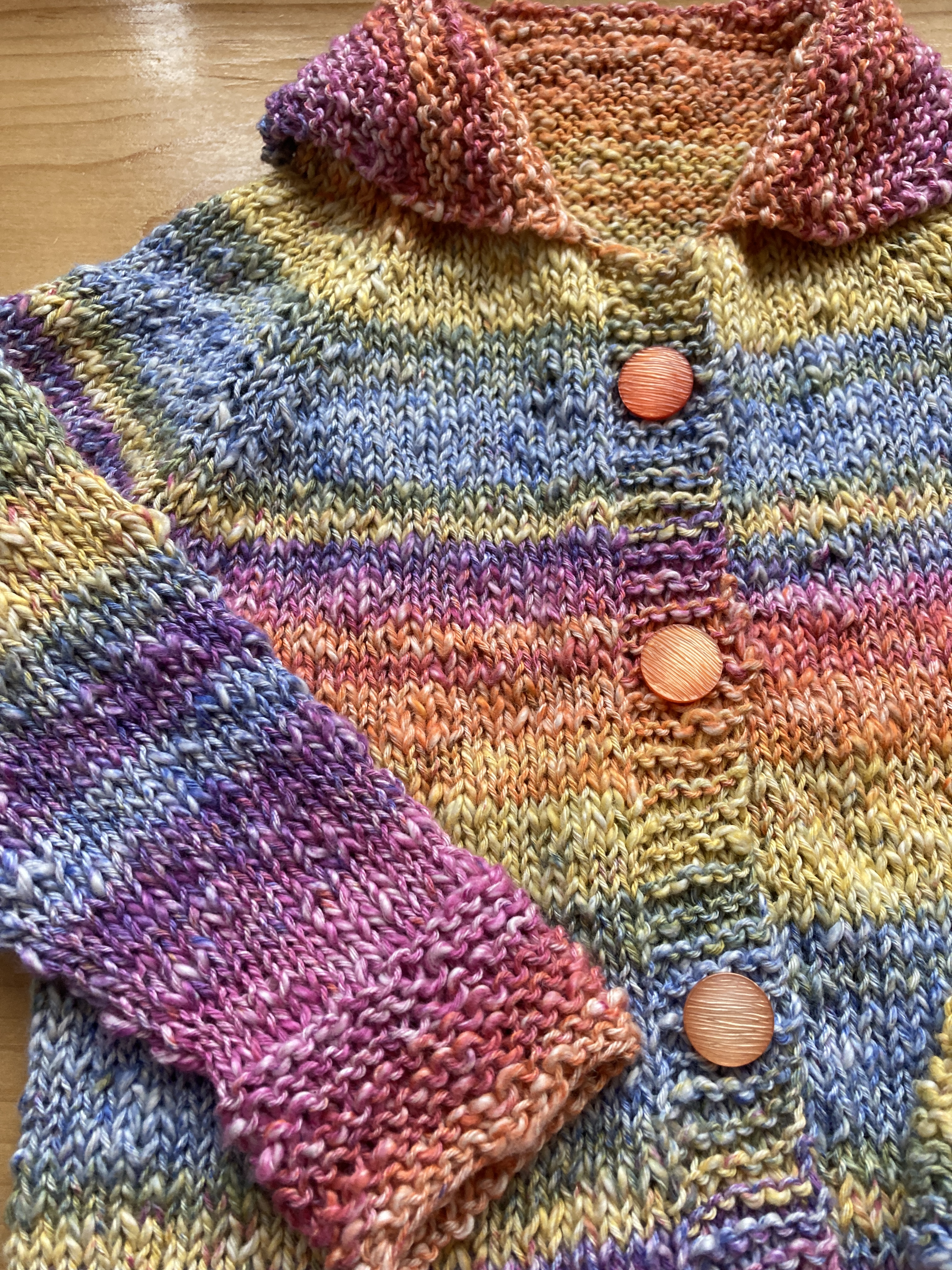
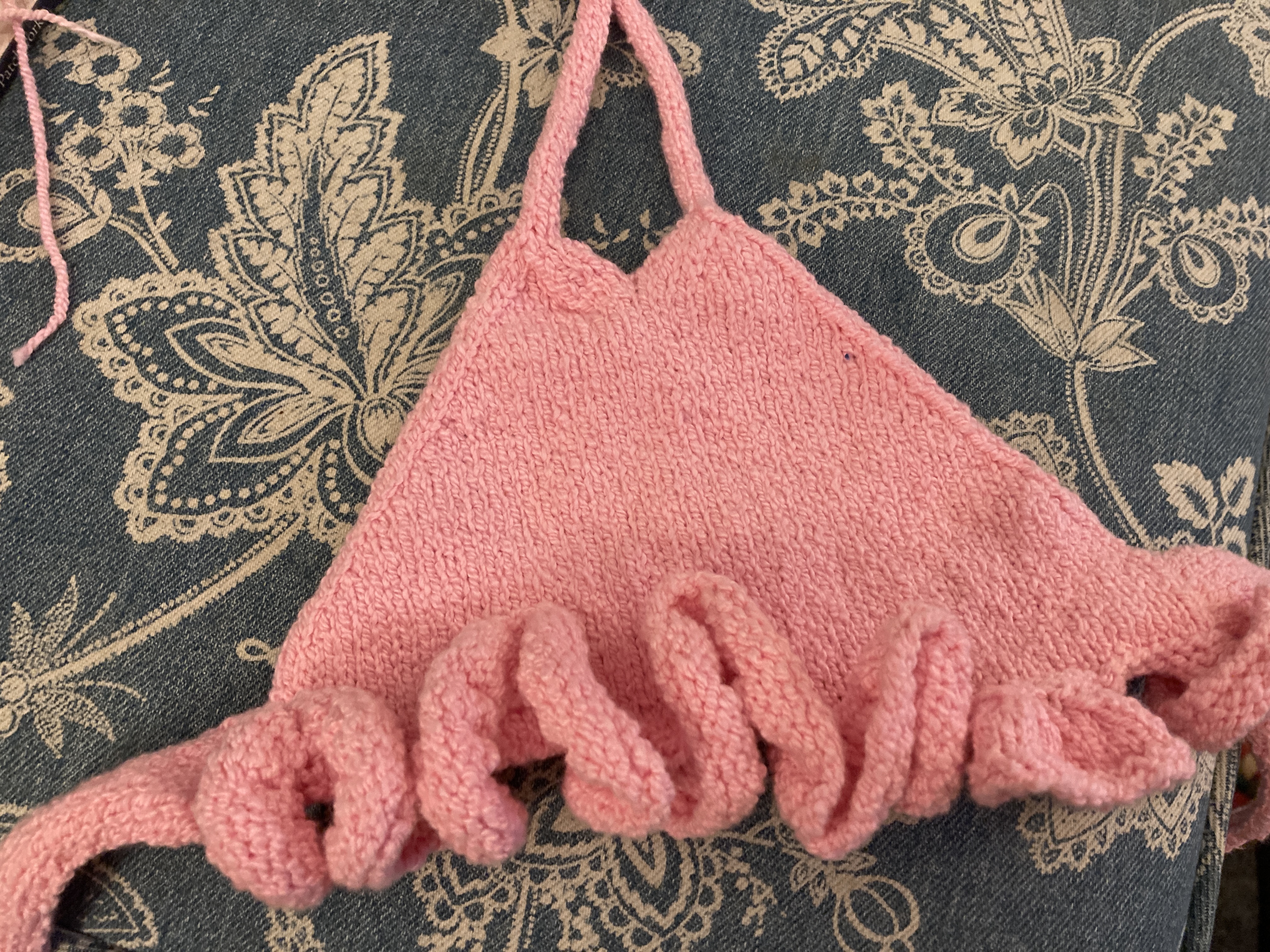
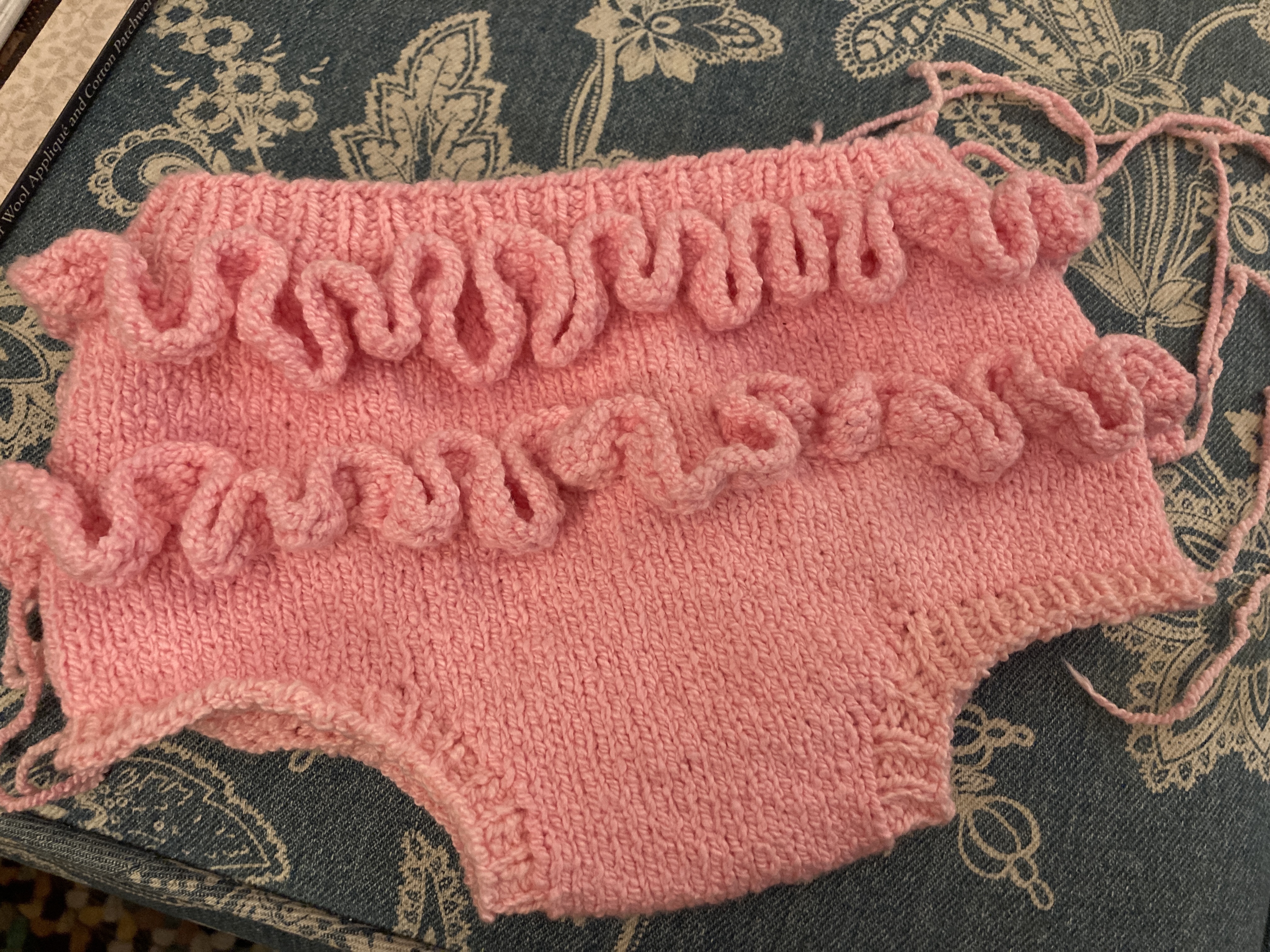
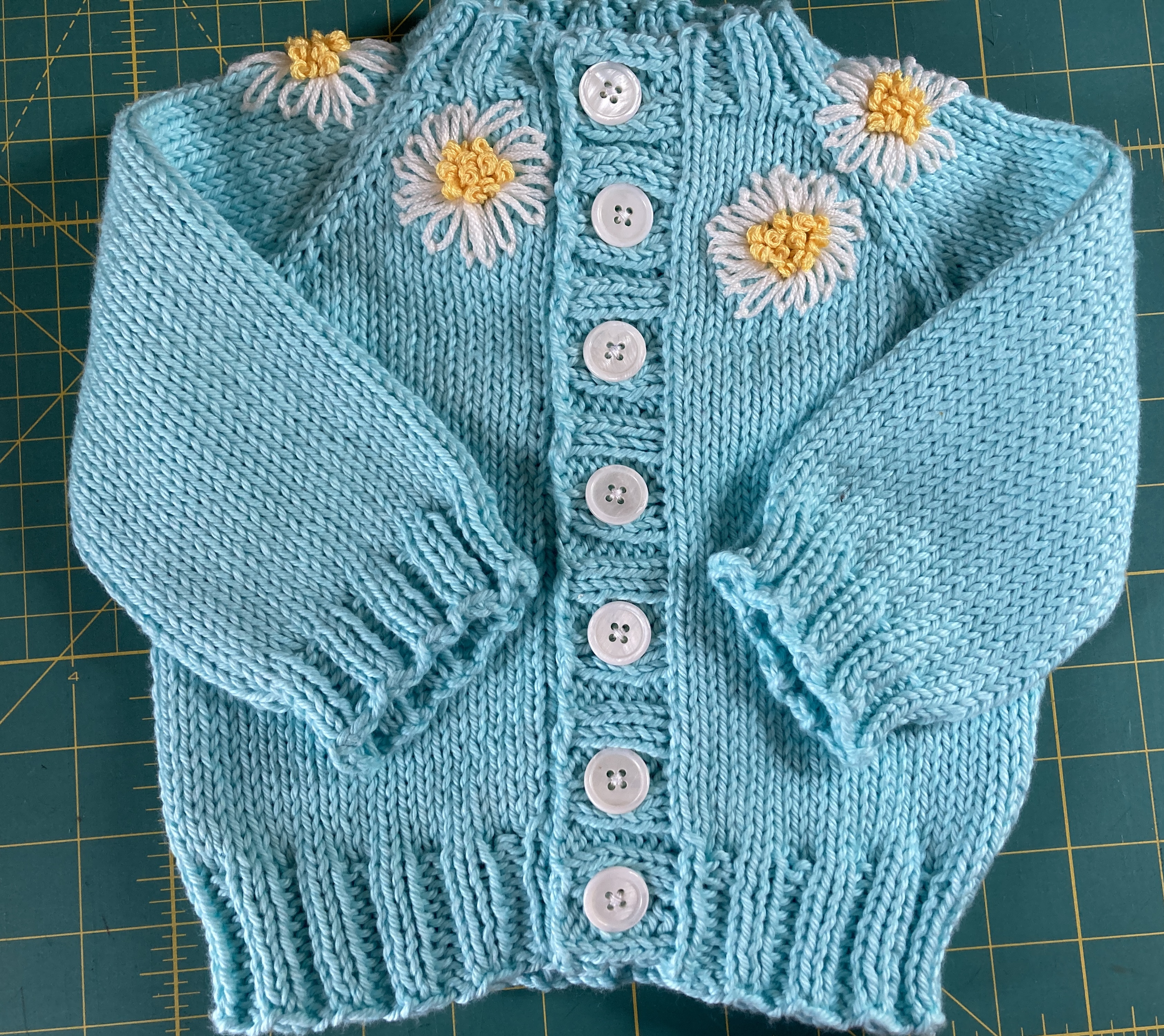
All of the little items above were made for my granddaughter. I didn’t block these the same way at all. These garments are all cotton or cotton blends and as such need to be handled differently. I hand washed them and then lay them flat to dry. In reality, when her parents wash them, they can be machine washed and dried flat. It’s just easier for me to wash them as I finish … and I may be a little less busy than Kate and Spencer. The lace romper I stretched out a little bit so that the lace and bobbles show off appropriately.
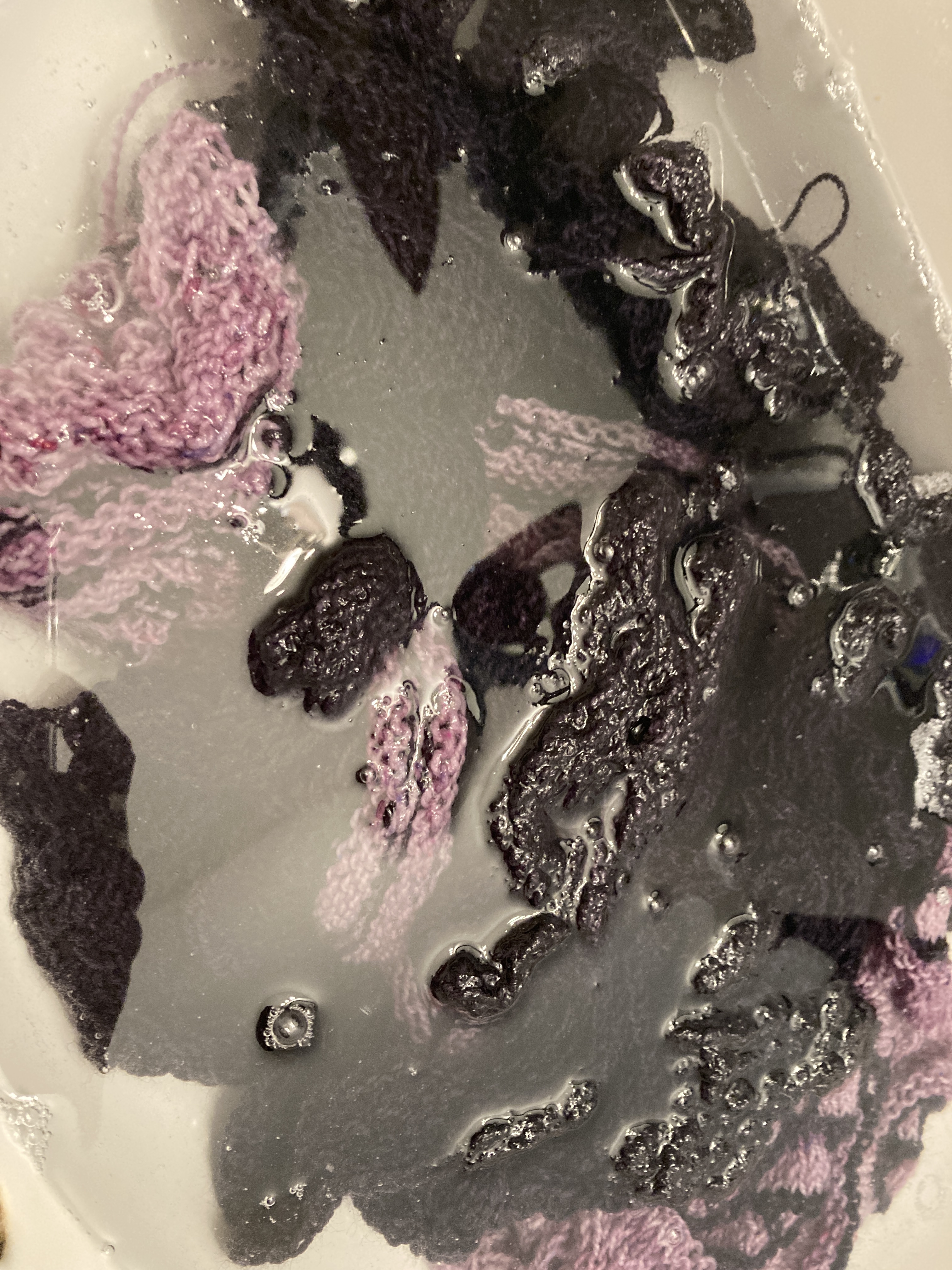
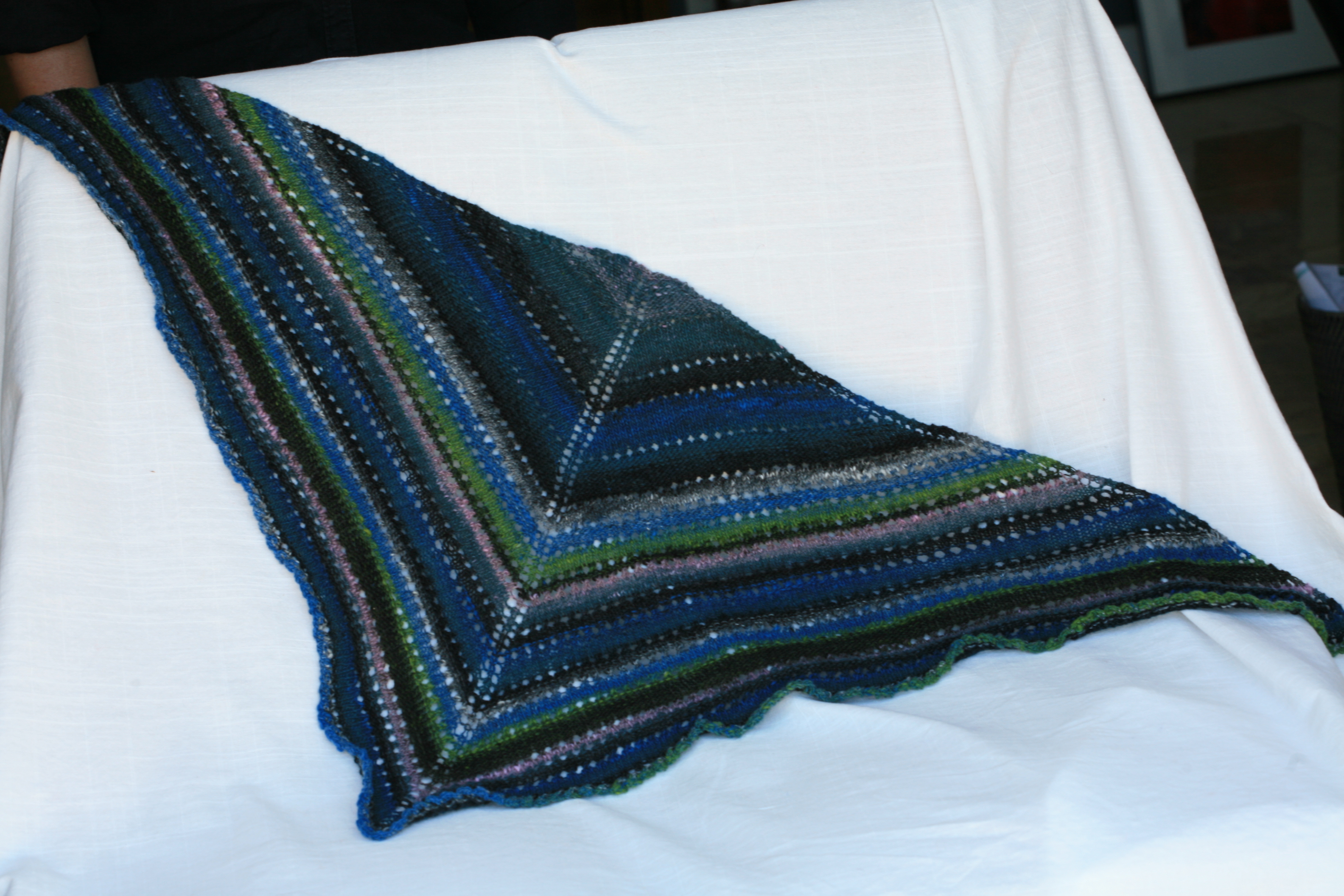
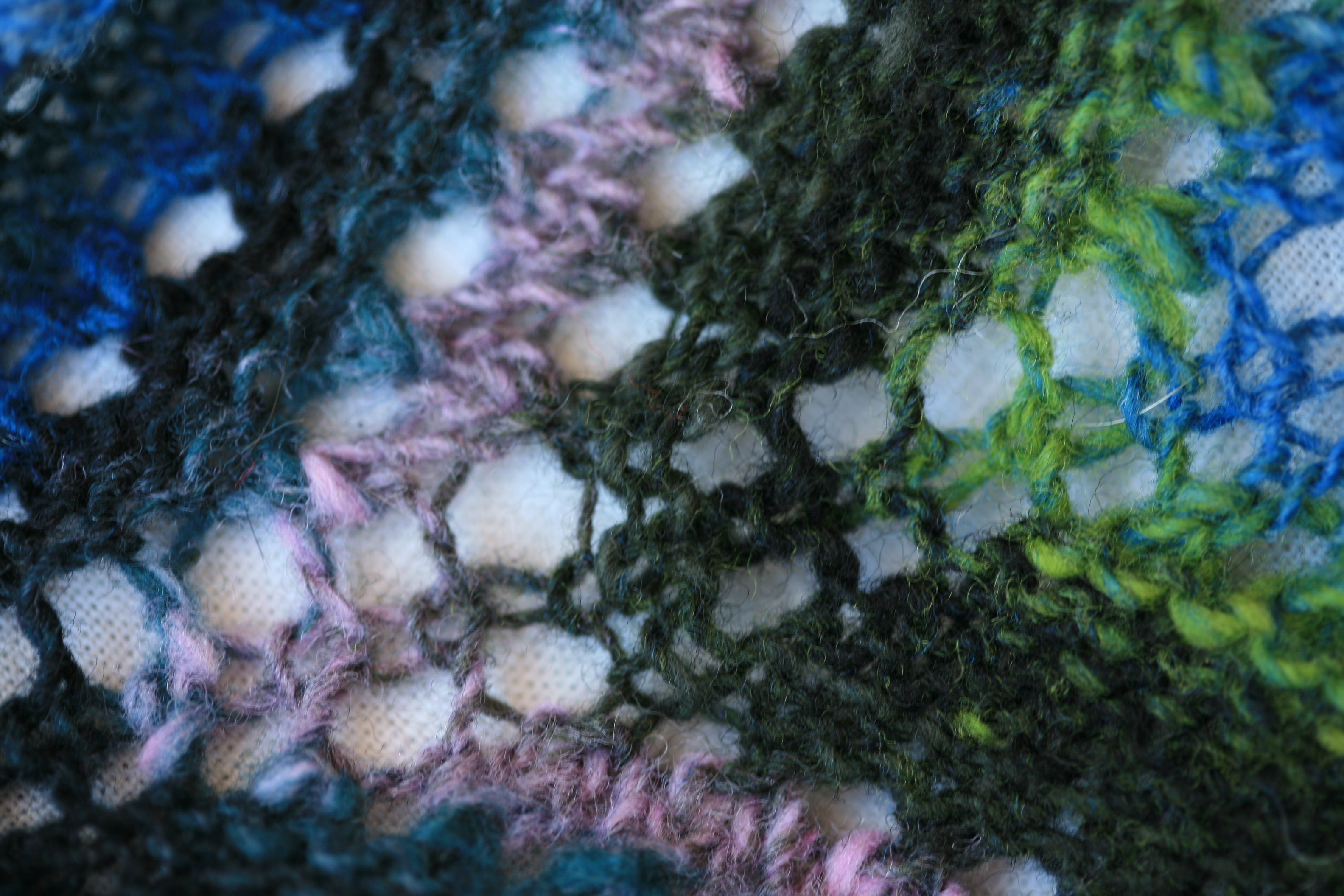
My lace shawl, was wet blocked. Left to soak for 15-20 minutes so that the yarn is soaking wet all the way through. It’s then gently squeezed dry, dried more by stepping on it while it’s wrapped in a cotton bath towel and then stretching it out aggressively and pinned into place. When it’s totally dry, the edges are so stretched that when I unpin them, they don’t bounce back at all. They stay where I put them. It goes from being a mangled mess to a stunning pattern of lacework and the textured stitches are clearly visible. It’s a miracle!

Gone knitting.

Wet Blocking vs. Steam Blocking vs. Spritz Blocking

Some tools you'll need: Eucalan (or Soak) wash and stainless steel t-pins

Some tools you’ll need: Eucalan (or Soak) wash and stainless steel t-pins

It took me awhile, when I started knitting, to figure out just what blocking means. There are a few (maybe several) terms that knitters use regularly that are not really clear to those who are new to the craft. So, I’m going to try to give a general description of two often-used blocking techniques – wet blocking and steam blocking.

112312_8423

Blocked Shawl – wool. Wet blocked.

112312_8422

Close up of what happens to garments when blocked – the lacy details just come alive!

For most sturdy fibers, I like to wet block. Wool is a sturdy fiber (and if it has a little bit of man-made fiber blended in, it’s still sturdy enough). I would also suggest wet blocking linen garments. I’ve read that some people “whap” their linen once soaked … sounds violent to me but I know it does get “softer” when washed a couple of times.

To wet block a garment, you want to immerse the garment completely in cool water mixed with a little bit of wool wash like Eucalan or Soak. Gently lift your garment out of the water and gently squeeze the extra water out. Never (NEVER) wring hand-knit garments. I usually put the garment on a clean bath towel, roll it up and then press gently to get even more water out of the garment. Then lay it flat on a blocking board or a new clean towel on your guest room bed. Or on an infrequently traveled area of wall-to-wall carpet. Gently pull the garment to the right shape and measurements and let it dry. It may take a couple of days.

An alternate method is to steam block. I set my garment on a clean bath towel and with my steam iron set to the steam setting, Pin the garment into the shape/size that you want it to be. I hold the iron over (without touching) the garment and give it a jolt of steam or two or three. The heat and moisture will relax the fibers enough to make it possible to give it a little bit of adjustment. Let it dry completely. (Another way I’ve heard some people steam block is by using a wet (clean) pillow case on top of the garment and putting the iron onto the pillow, pushing the steam button, until the pillow case is dry. This is a gentler method than wet blocking and you should get the same result.

Note: If your garment is made of hand-dyed wool, and the color isn’t “fixed” and you see dye in the water when wet blocking, you can also add a little bit of white vinegar (a cap-full or two) which should help “fix” the dye. If color is bleeding, keep rinsing with cool water until the water runs mostly clear.

Lacy edge of a mink & cashmere blend shawlette

Lacy edge of a mink & cashmere blend shawlette (it’s for sale, if you’re interested)

The last method that I want to discuss is spritz blocking. If using this method (which is good for any fibers you have doubts about soaking in water or steaming with an iron … in my house that’s alpaca, silk, mohair, cashmere and anything I’m not sure of … I pin it into shape and then spritz it with a plant sprayer. Make sure the sprayer is clean (hasn’t been used for cleaning chemicals or anything) and filled with water and just spritz the garment until it’s moderately damp. Leave it there until it’s dry.

There you have it. A primer, if you will, on blocking. I hope this helps!

Gone knitting!