The Miracle of Blocking

Tuesday, December 10, 2025

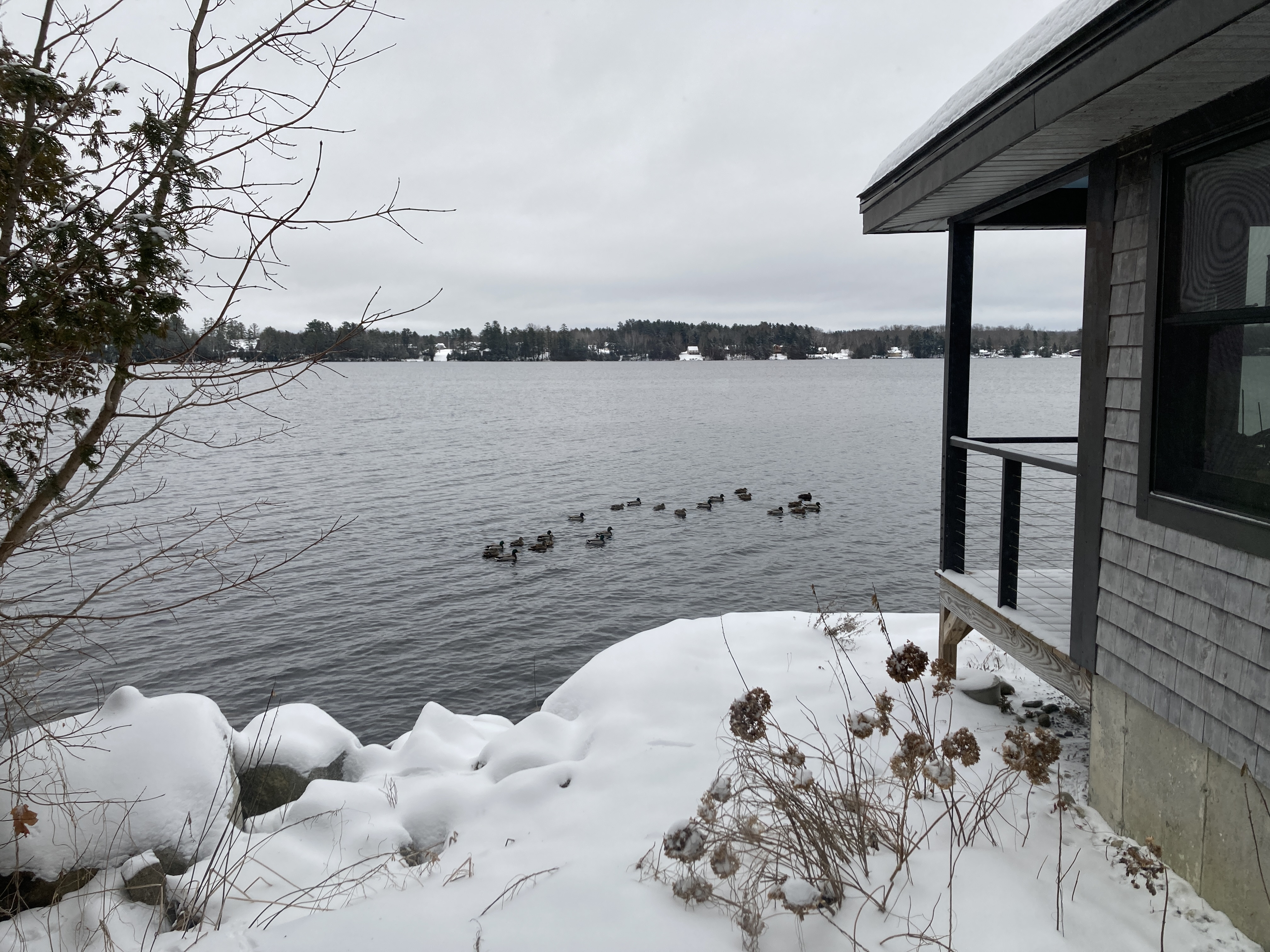
It’s a good day for ducks! This morning was gray and cold after a little bit of snow overnight. The biggest news on the lake was the abundance of ducks. There have been a few around but today it seems like we’ve got tons! Flocks! I sure hope they’re enjoying the last days of the lake before the ice starts to come.

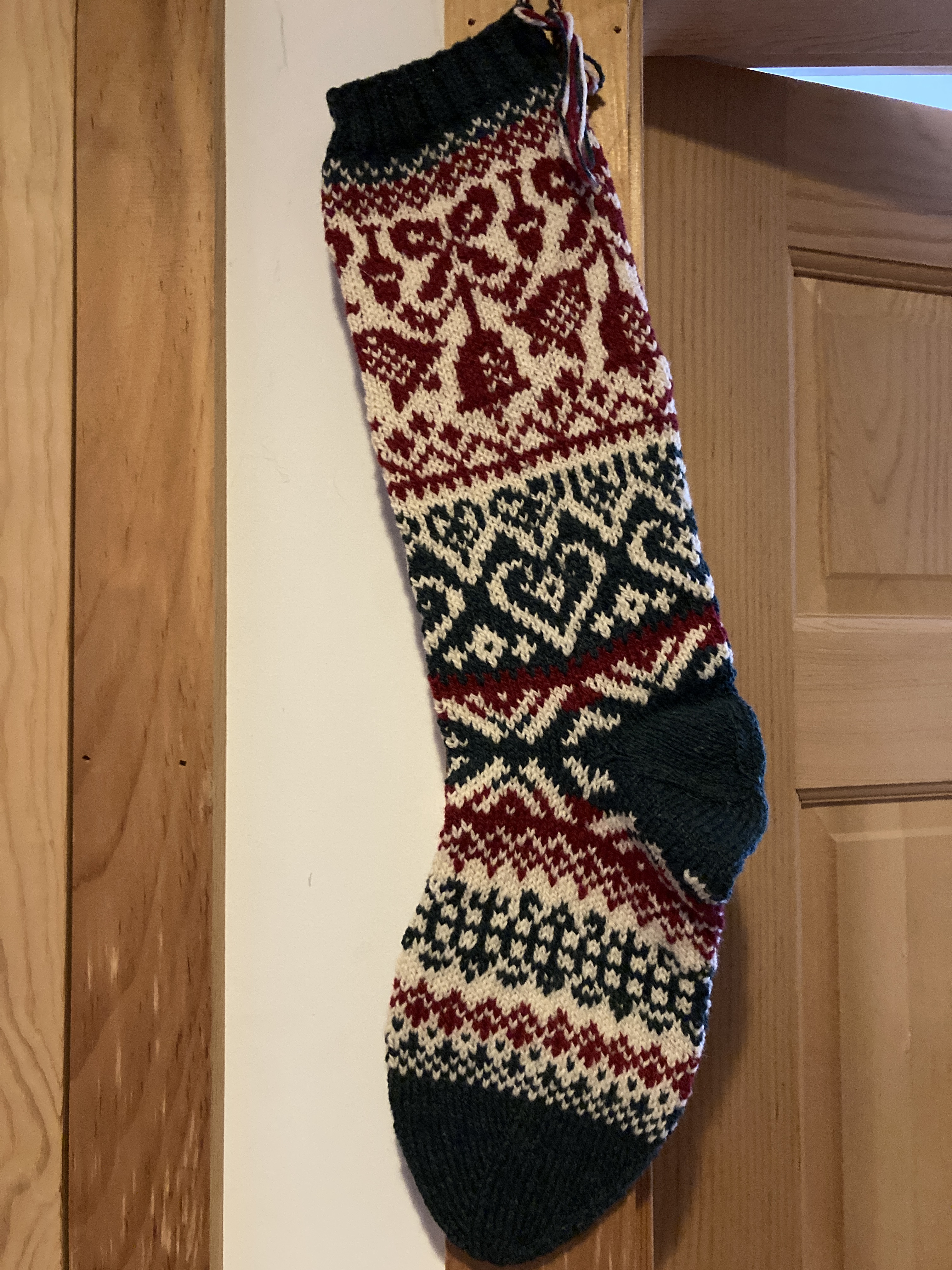
I have had a very productive couple of days in my atelier and have finished a fun, project – my Arne & Carlos 2024 MKAL Christmas stocking. The MKAL was written so that participants could knit six rounds a day (very manageable) but I didn’t keep up. So, I ended up knitting several days at a time, twice. BUT this weekend I finished the knitting, knitted the afterthought heel and then blocked it this morning. I love it and I really enjoyed knitting it.

The thing that consistently amazes me about knitting and colorwork, and in particular colorwork knitted in wool, is what happens when the project is blocked. Arne and Carlos recommend steam blocking the stocking with an iron and a wet towel. You place the wet towel on top of the item to be blocked and then gently hold the iron on top of the towel. The steam created by the heat of the iron and the wet towel blocks the wool – it miraculously makes all the little bit wonky stitches all even out.
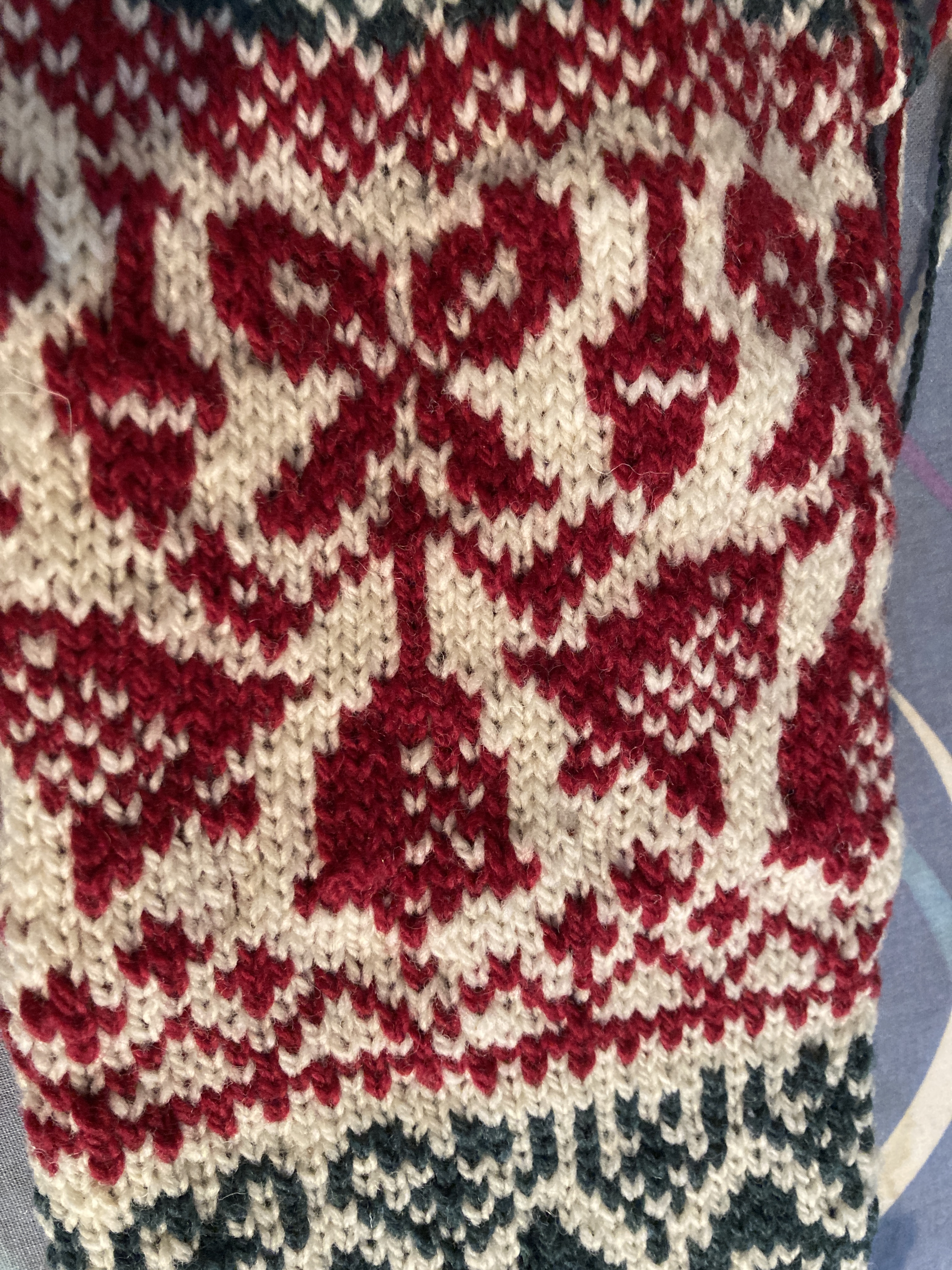
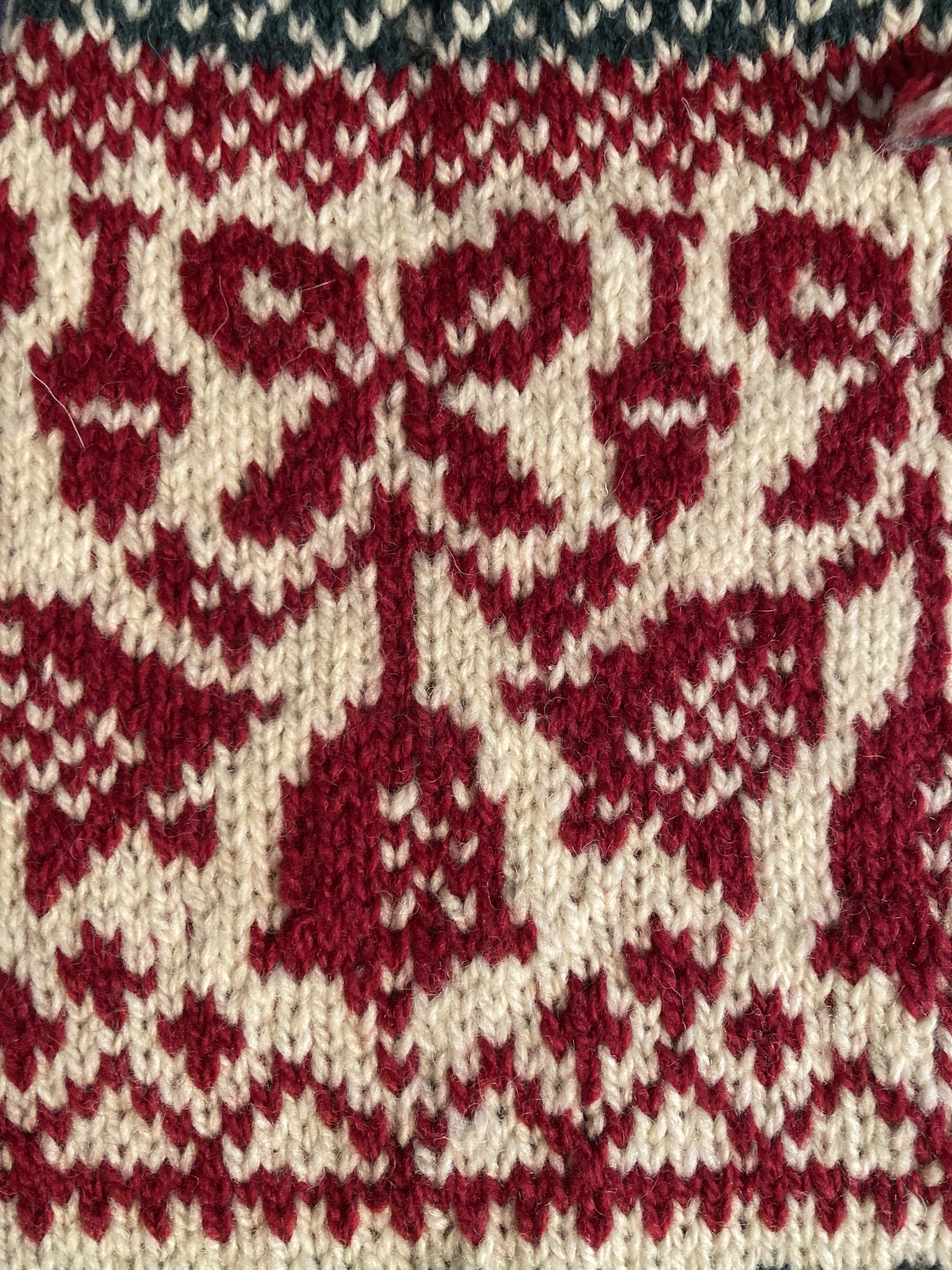
You can see by the photos (above) that the photo on the left side, pre-blocking is fine but the stitches are a little bigger in some spots than others and the fabric is pucker-y in a few spots. The photo on the right is after blocking and the stitches have evened out the fabric is smoother. I think it’s a gorgeous stocking and I am very tempted to knit the one from 2023 now, too. The only thing that I am sad about is that we don’t have a mantel to hang them on. Blocking, suffice it to say, is an incredible tool!
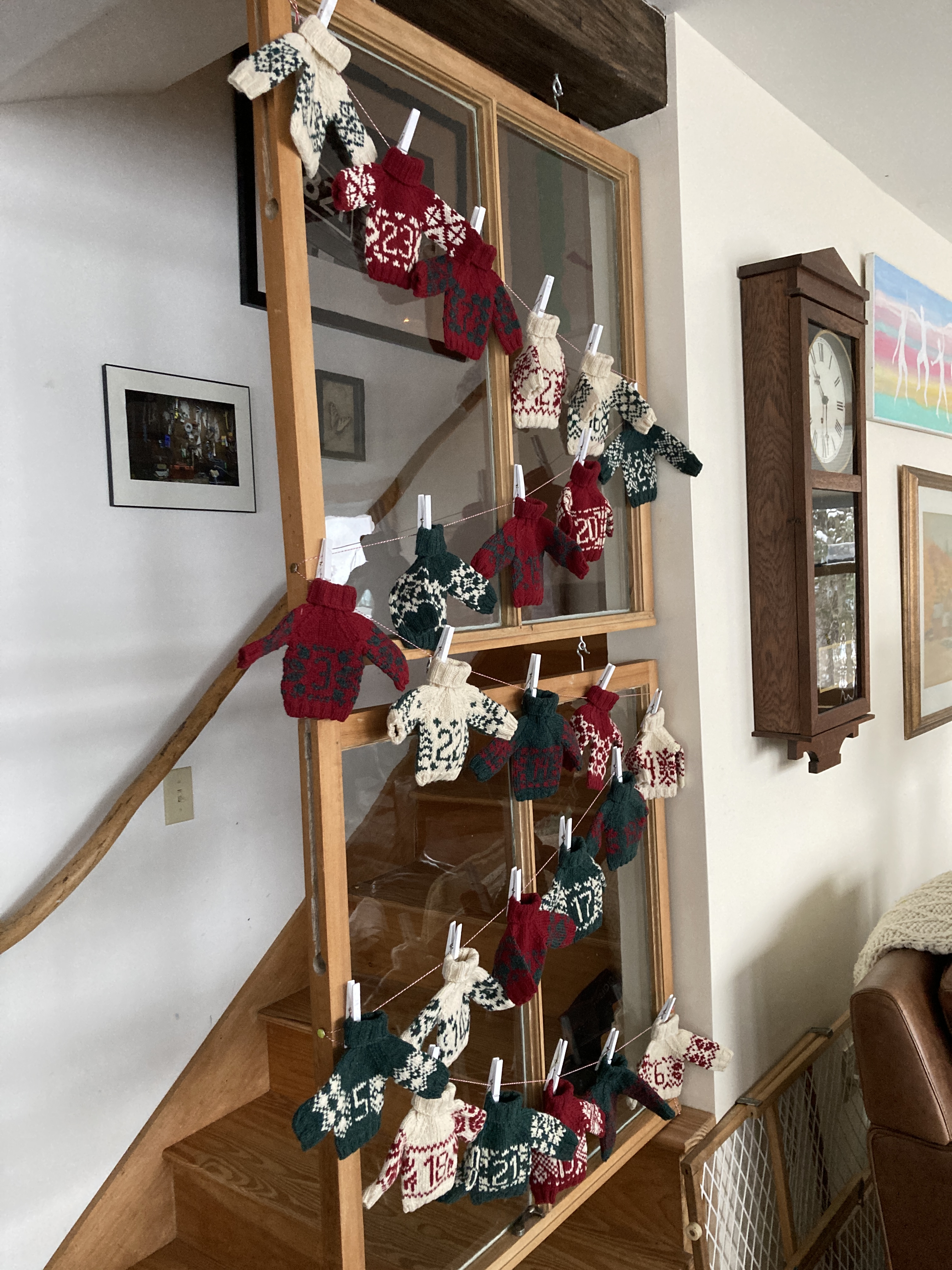
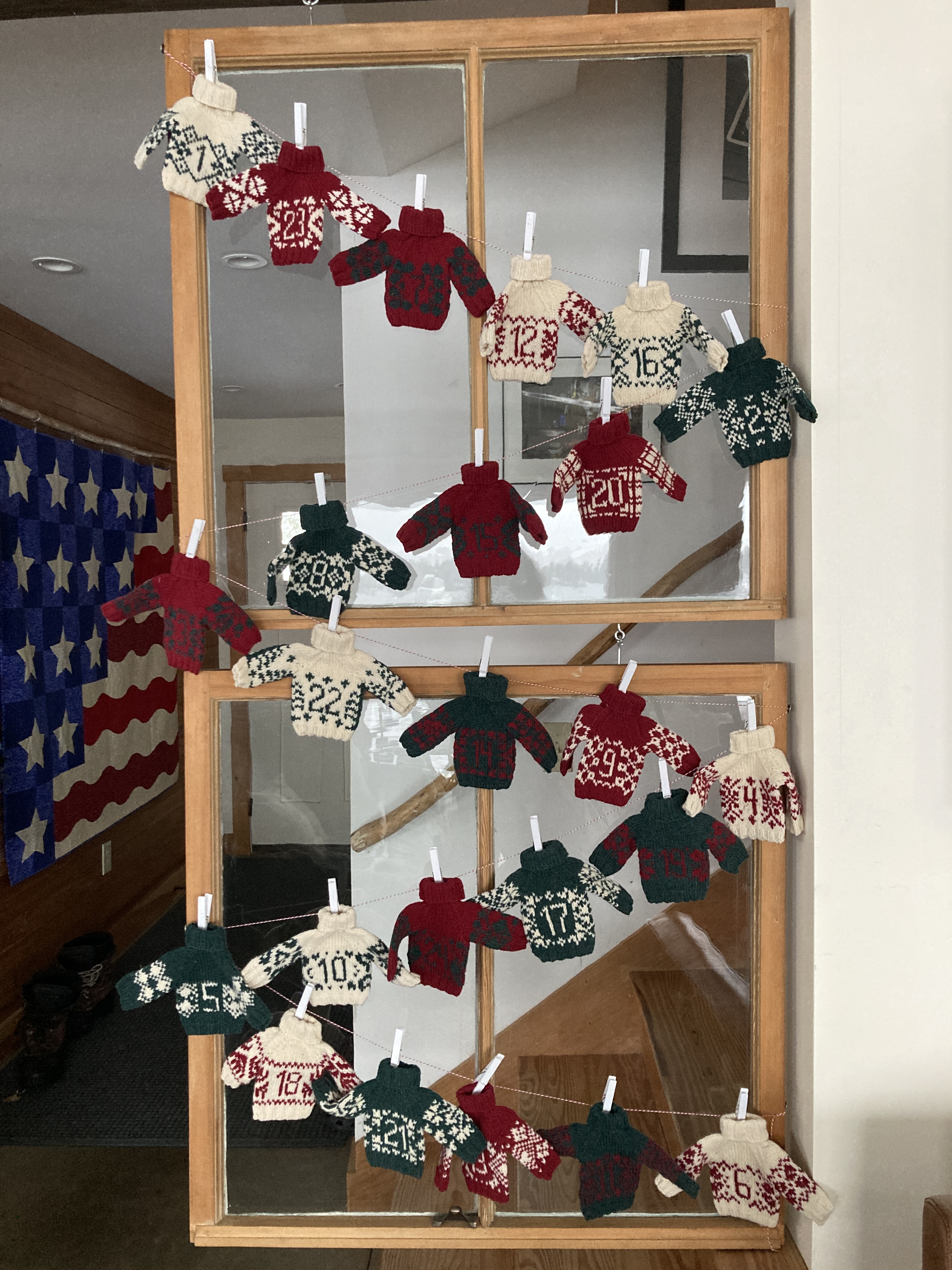
I also did a little bit of much-delayed Christmas decorating today. I finished the Arne & Carlos Advent mini-jumpers (Advent Calendar 2021: 24 Mini Nordic Jumpers) a while back … in September of 2023. Last year for whatever reason, they never got hung up and used. Well, today I hung them up in our living room. Again, since we don’t have a mantel, I decided to hang them on the antique windows that we have hanging at the bottom of our stairs. They’re fantastic! I even filled them with the rest of the candies from our chocolate advent calendar so that we can finish the advent season using the mini jumpers.
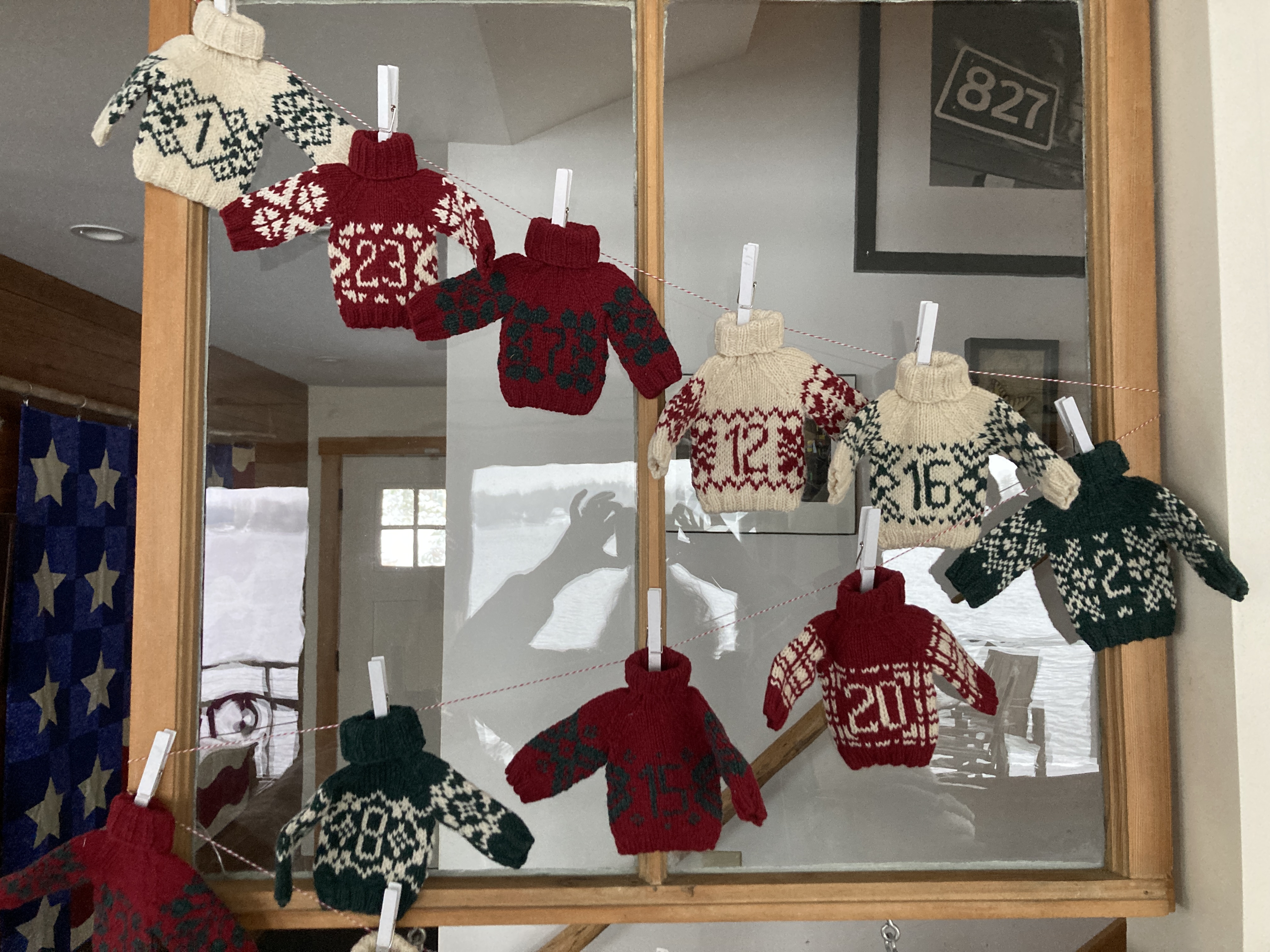
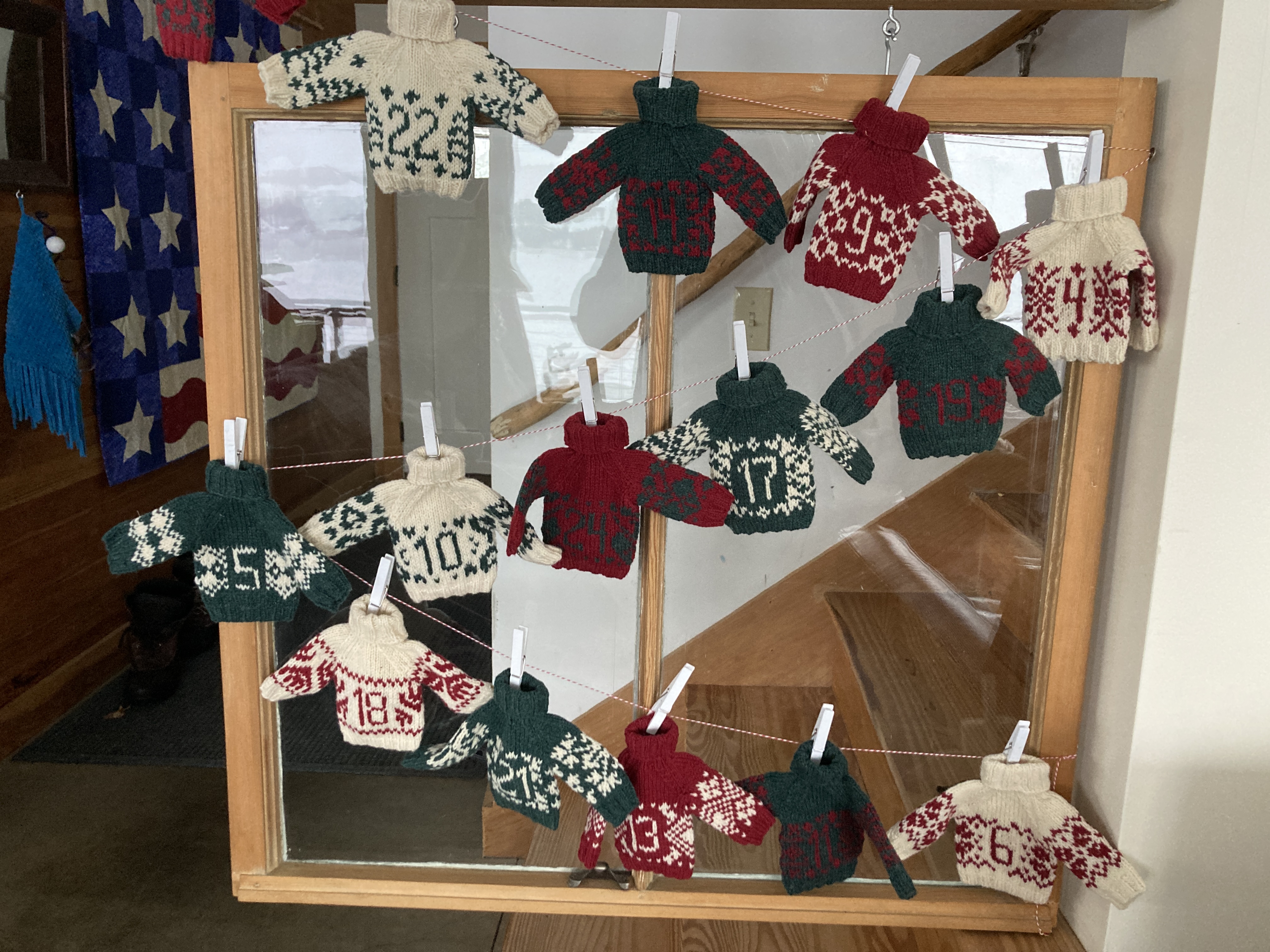
I used the same yarn with the jumpers and the stocking so that the house isn’t in utter color chaos! I love the deep red and green and the creamy white together. And I am tickled pink with them! I think they are very festive, indeed.

We aren’t putting up a “real” Christmas tree again this year. We’re getting to be old bah-humbuggers I guess because we aren’t interested in all the work bringing out the ornaments and lights, decorating and then having to take them all off and put it all back away shortly thereafter. We were away for Thanksgiving and we’re not hosting Christmas again this year so when we finally do pull out the ornaments again, it’ll be like Christmas. LOL. We do have a small, tabletop-size, tree that lives in our stairway and we’re lighting it up for the season. We also have my Arne & Carlos star outside on the side of the boathouse and we’ve bought another two strings of colored lights for the evergreen that we planted out by the driveway when we re-built the house nine years ago. That’s enough festivity for us and we both get to spend more time doing things we actually enjoy doing.

That’s my update for today. I was so impressed with the blocked stocking that I had to sit down and write about it “right now” before I got onto another tangent … and I’ve sewn in my two sleeves, sewed up the pockets, woven in a lot of the ends and now I am going to go seam the sleeves and sides of my pink Lane’s Island pullover … with any luck I can wear it to work on Friday or Saturday because I’ll have to block it, right?

Gone knitting.

The Miracle of Blocking

Sunday, July 9, 2023

Let’s talk about the miracle of blocking hand knits. There are a bunch of different ways of blocking your knitwear and sometimes, I’ll admit openly, I don’t block things. I seldom block socks, for example. They get all stretched out when I put them on my feet. If I’m gifting socks, I may lay them flat in a nice way and hand “press” them. But some things really benefit from a true process called blocking – steam blocking, wet blocking – often it depends what I’ve knitted that decides how I block it.

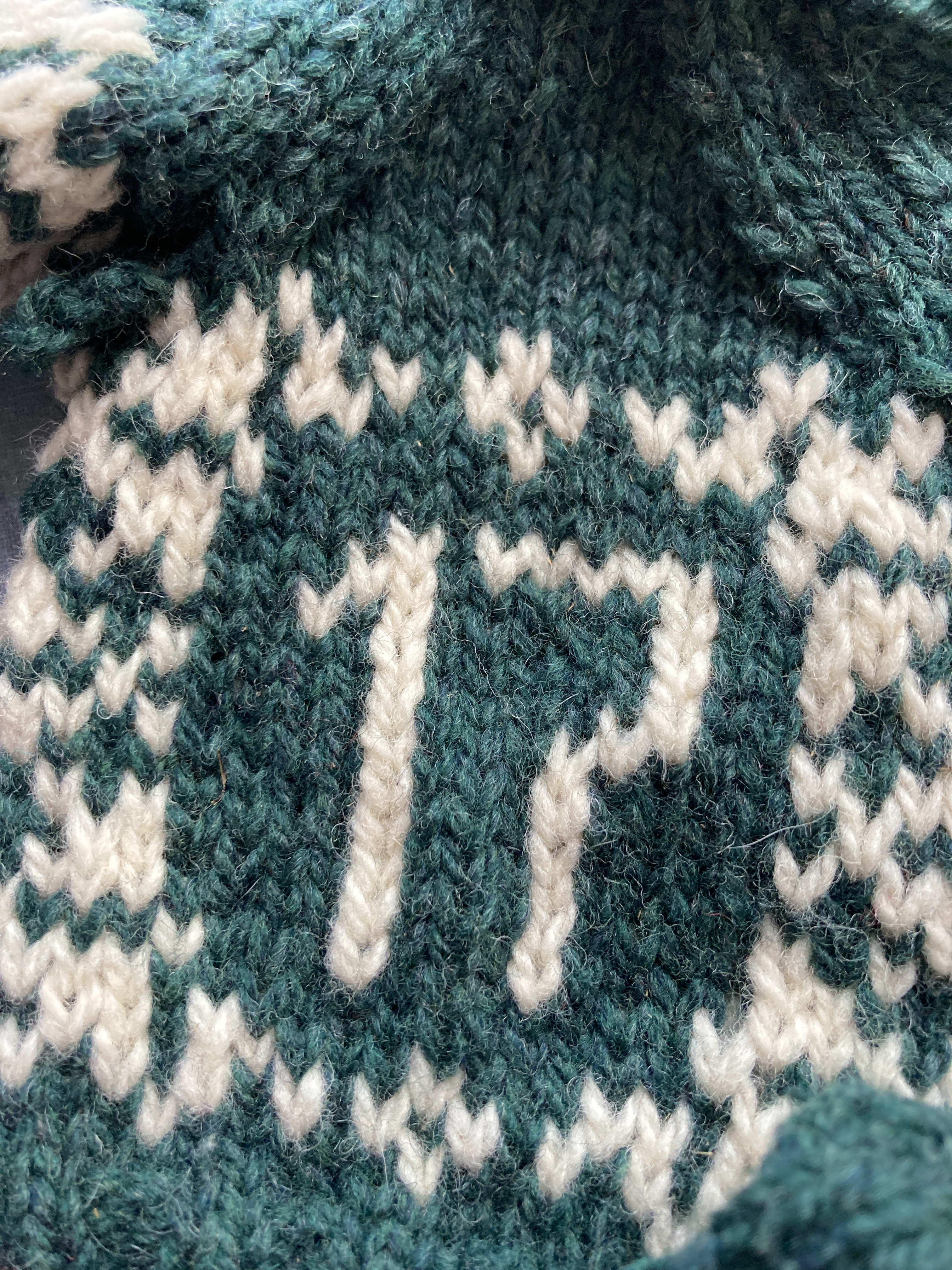
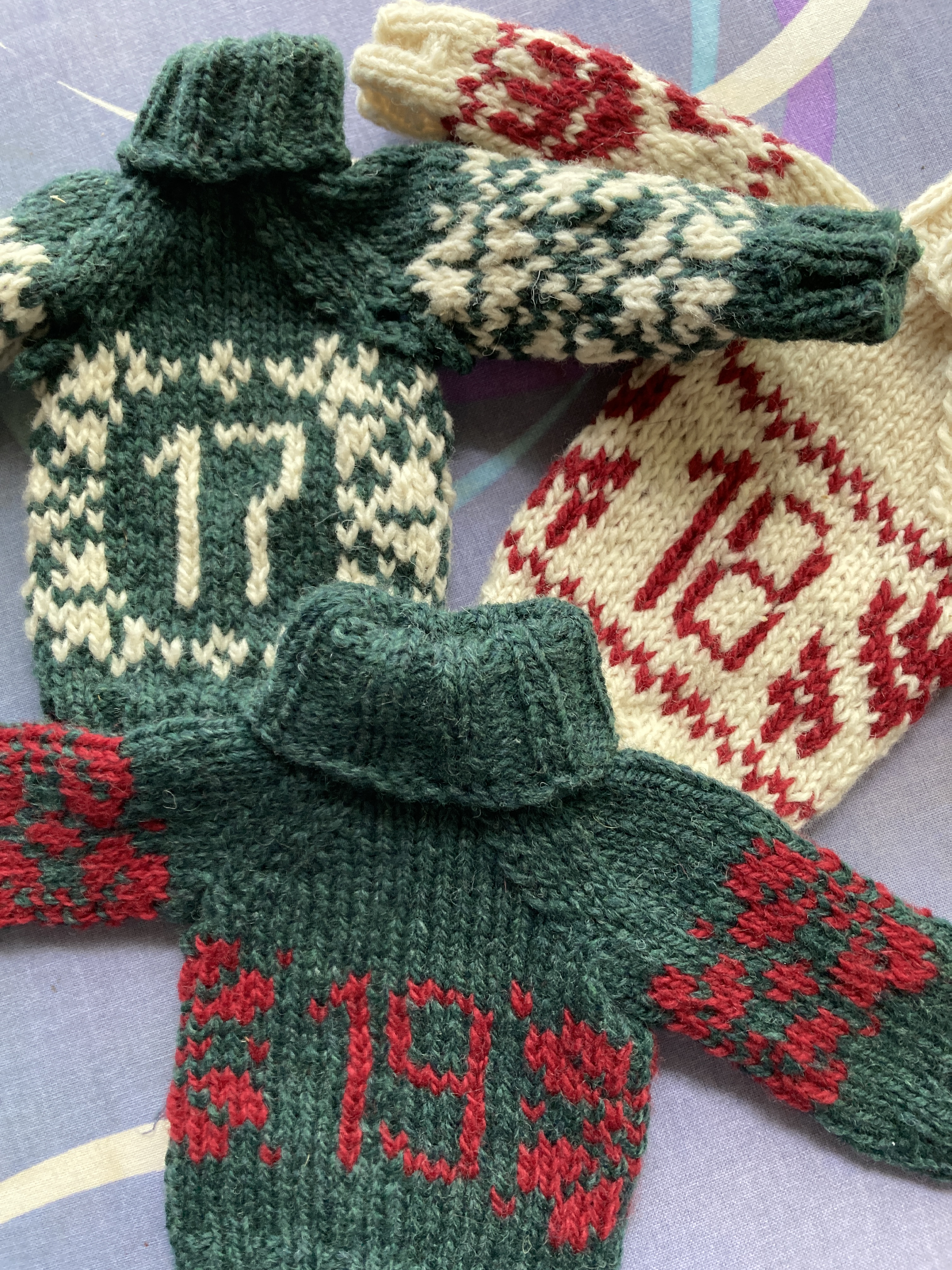
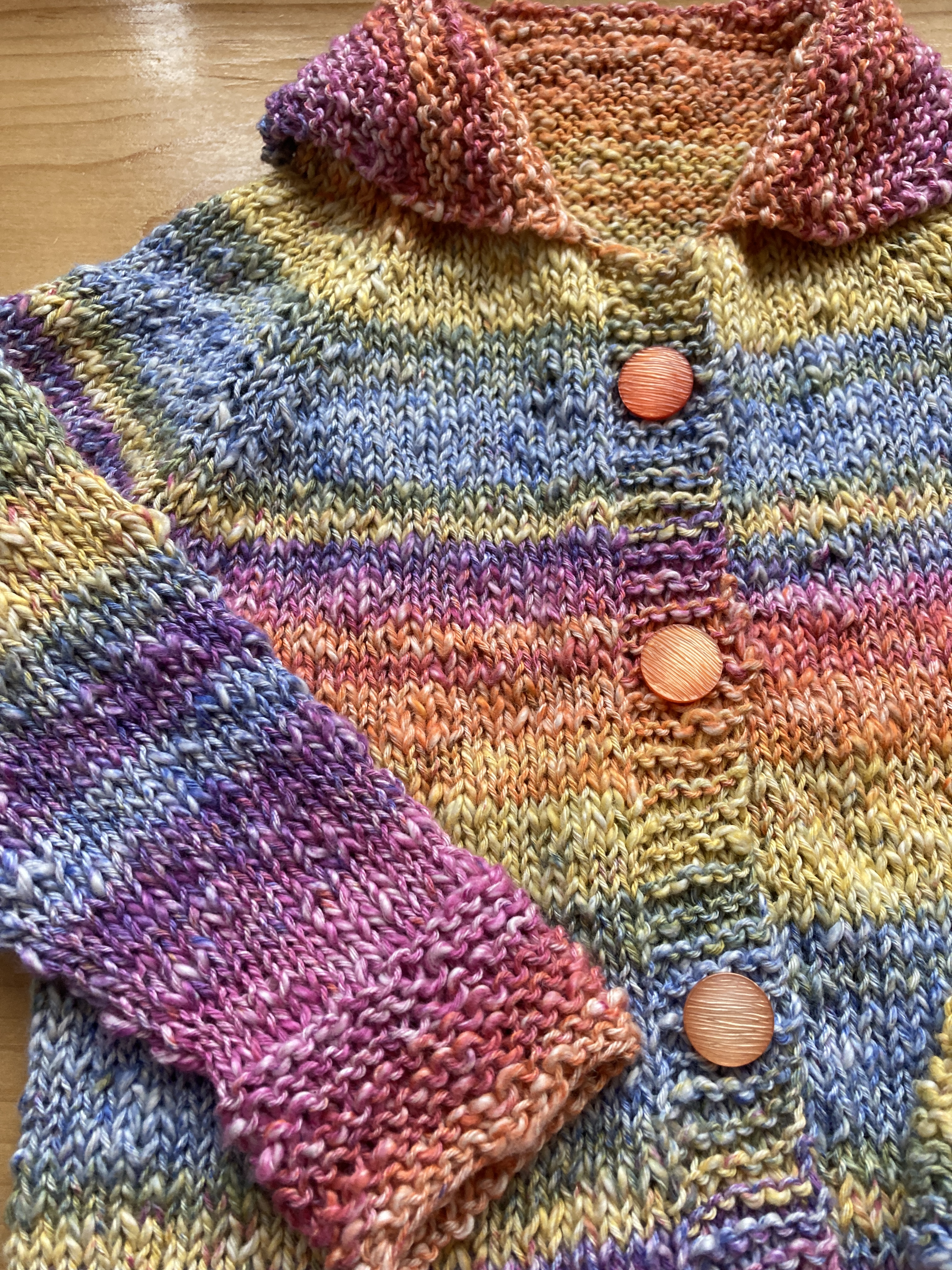
The Arne and Carlos Mini Nordic Jumpers that I’ve been chipping away at over the last couple of years are a good example of how blocking changes the look of the stitches. In the first three photos below, you can see that the stitches as I’m knitting them are a bit wonky and not all the same size.

But the last photo, above, shows how they look after a good steam blocking. In this instance I used my steam iron, on the linen setting, and a damp white hand towel to gently steam the stitches. I place the damp towel on top of the little sweater and then gently press with the iron to apply wet and heat which tames the stitches. I always feel so accomplished when the stitches are all the same size and look so orderly.

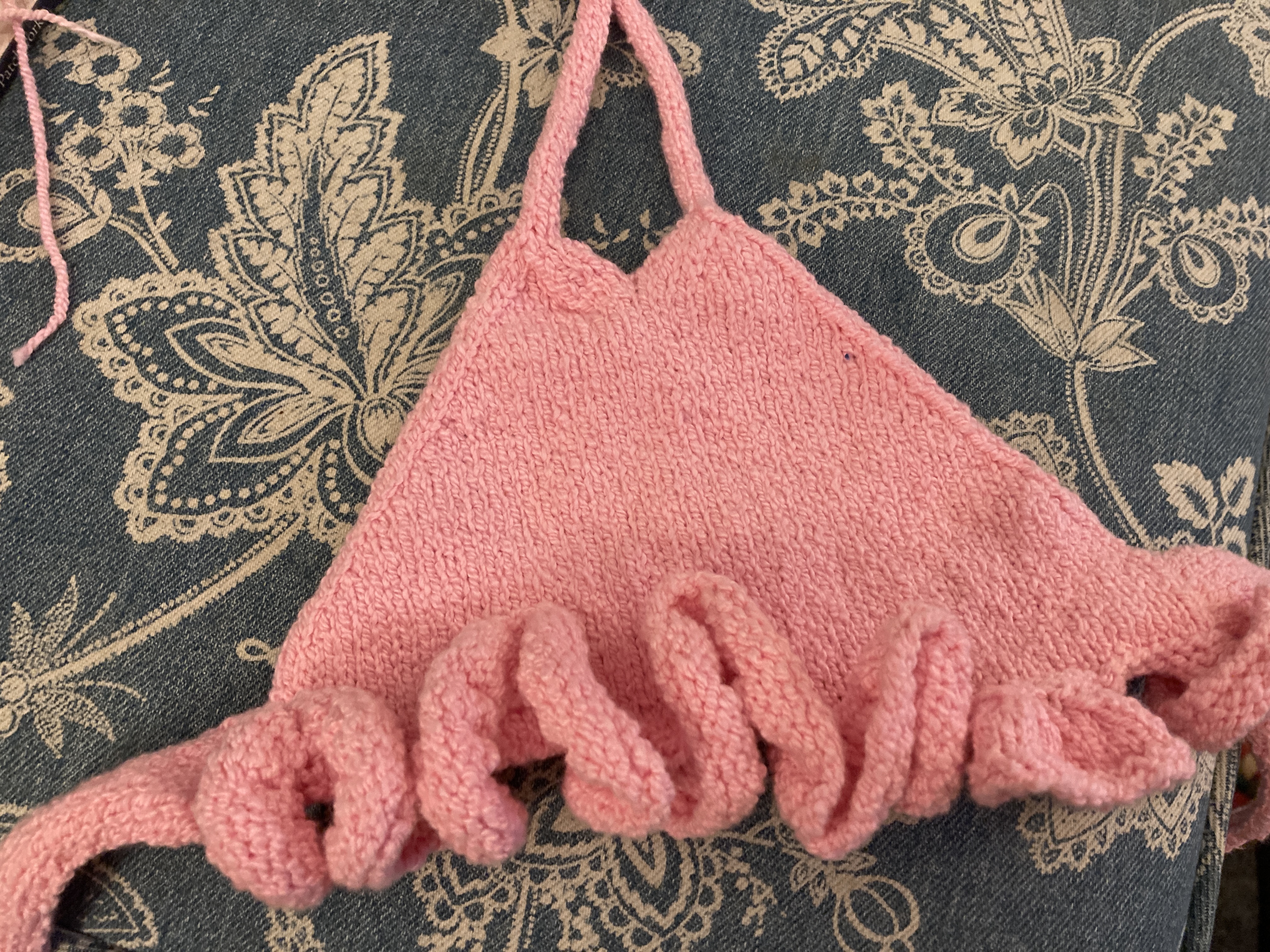
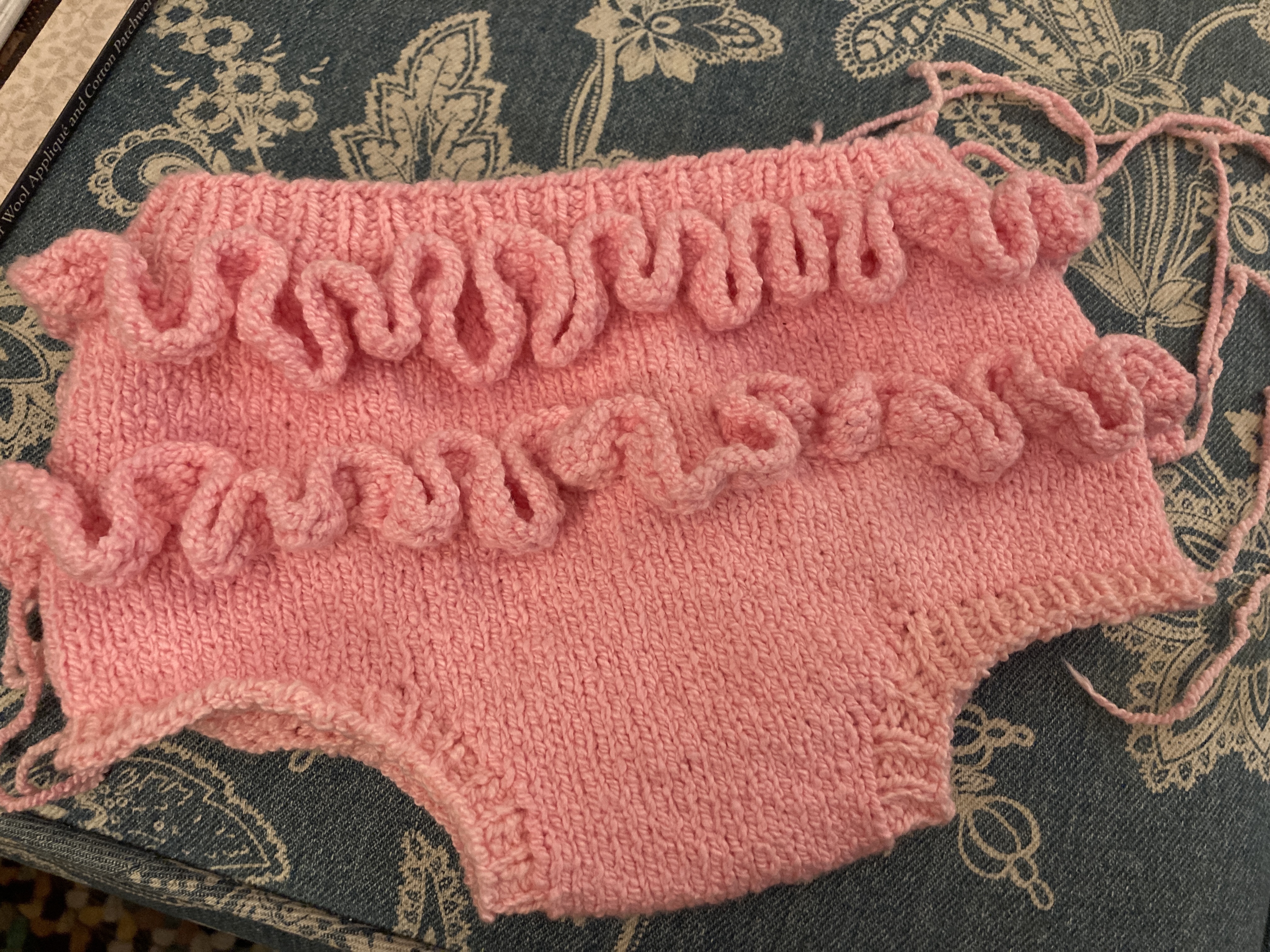
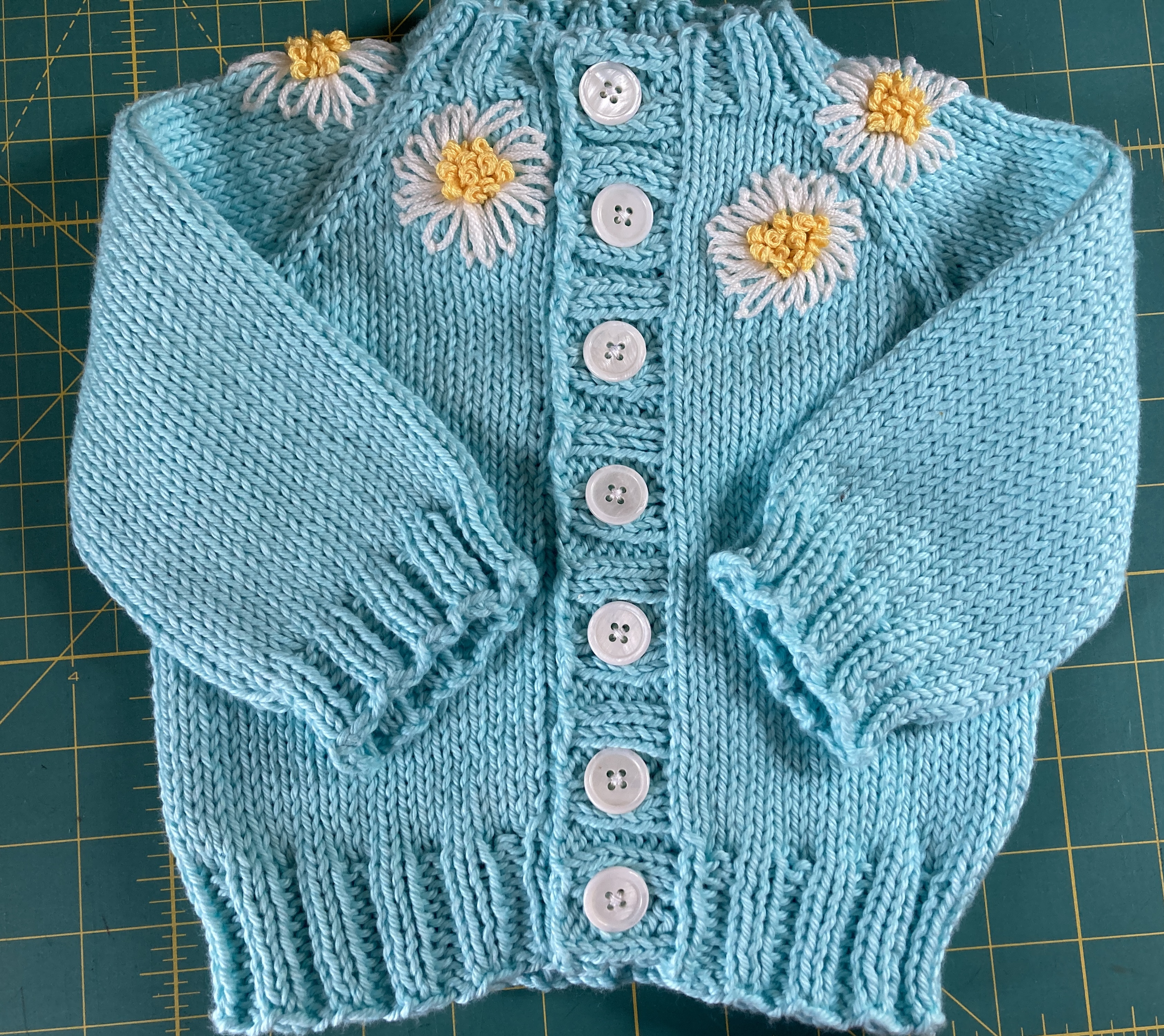
All of the little items above were made for my granddaughter. I didn’t block these the same way at all. These garments are all cotton or cotton blends and as such need to be handled differently. I hand washed them and then lay them flat to dry. In reality, when her parents wash them, they can be machine washed and dried flat. It’s just easier for me to wash them as I finish … and I may be a little less busy than Kate and Spencer. The lace romper I stretched out a little bit so that the lace and bobbles show off appropriately.

My lace shawl, was wet blocked. Left to soak for 15-20 minutes so that the yarn is soaking wet all the way through. It’s then gently squeezed dry, dried more by stepping on it while it’s wrapped in a cotton bath towel and then stretching it out aggressively and pinned into place. When it’s totally dry, the edges are so stretched that when I unpin them, they don’t bounce back at all. They stay where I put them. It goes from being a mangled mess to a stunning pattern of lacework and the textured stitches are clearly visible. It’s a miracle!

Gone knitting.

A Long-Awaited Visit

It’s been a long time since we’ve been able to see our family. This past weekend, we were able to travel to New York City to visit my children. We brought my mother’s piano (in a u-haul trailer) to my daughter who will USE it. We don’t use it and it’s a real shame that it just sat in the living room and wasn’t played.

On Saturday it was a gorgeous day and we walked parallel to the river with my daughters and their husbands and dogs to the weekly farmers market and to drop off their compost materials (they freeze it and then walk it to be composted every week!) My daughter’s step counter said it was more than 12,000 steps. She guesses it’s about 5 miles and the last bit was up hill. I haven’t walked five miles in forever! It was such a fun day and we completed it with a family dinner to celebrate (for the first time) my son’s 31st birthday. We were supposed to celebrate 30 last year when Covid required that we stay home.

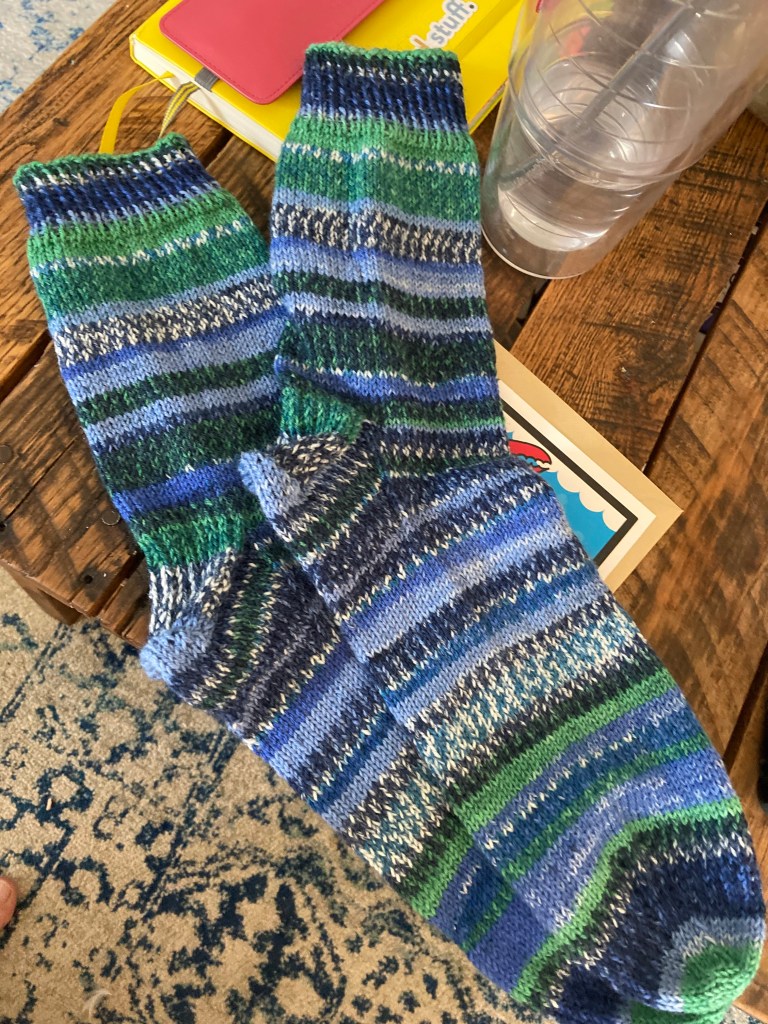
I have been knitting! I knitted a pair of birthday socks for my son. I’ve never used this Schoppe-Wolle Das Paar sock yarn before. A customer last week bought a hank and asked that it be wound … I thought there was something wrong when it “broke” about half-way through until I realized that it was meant to happen! They made the yarn so that you get two socks that are the same! So, I had to try it and I loved it. I liked the hand (feel) of the yarn as I was knitting and the socks are exquisite! I’ve put aside two more hanks for future sock knitting.

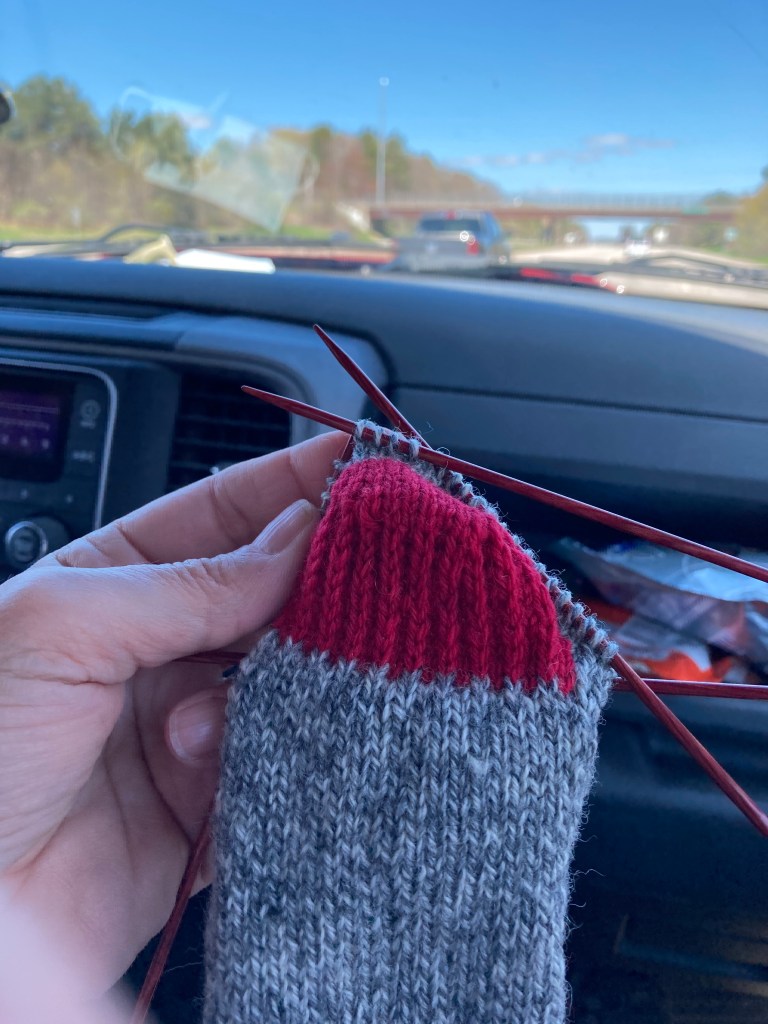
I’ve begun a baby gift of socks for one of my daughter’s friends who had a new baby recently. The gift is socks for the boys – each the same, two-color socks (heels, toes and cuffs will be red and the body of the sock a marled gray.) I love knitting little socks! These are especially cute in my humble opinion.

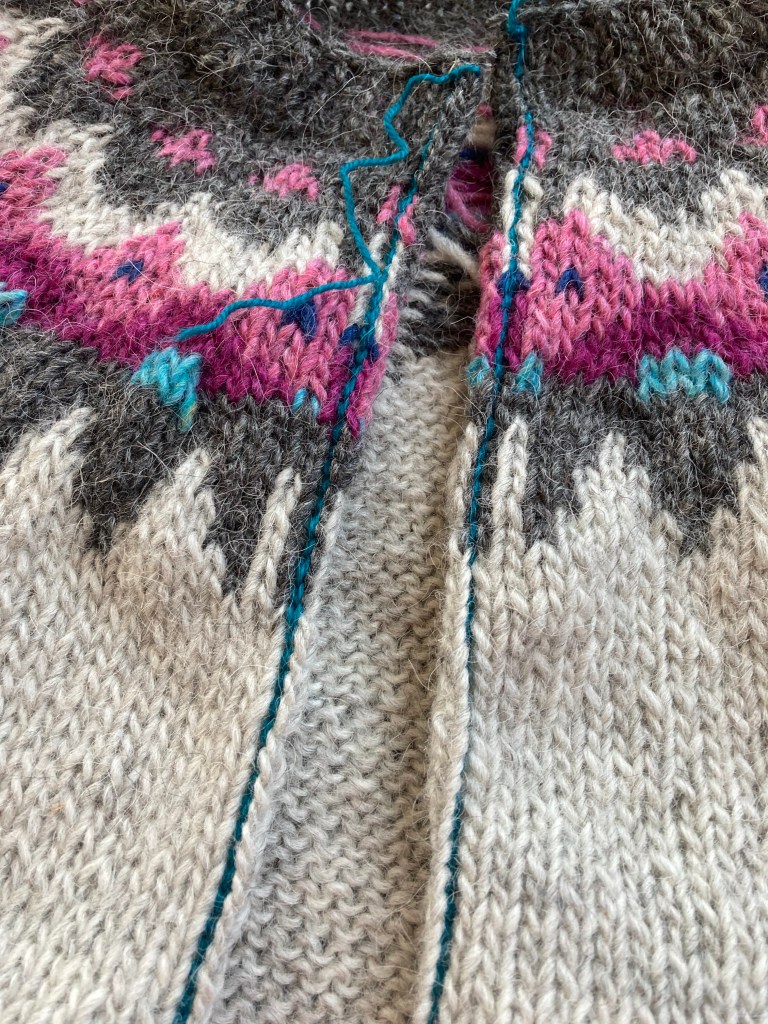
When we got home I reinforced and steeked my Daytripper Cardigan. It’s thrilling to cut down the middle of a sweater and have the stitches hold. I’ve since picked up my stitches for the button bands and only have to secure the back side of the steek and find eight buttons to make the sweater wearable … just in time for warmer weather. I’ve steam blocked it to make it easier to steek but I’ll still give it a good wet block before it’s really and truly finished.

This is the beginning of my next “surprise” gift. New felted clog slippers for my LA brother. I made him a pair … I did the knitting and my sister-in-law did the felting and added the slipper soles … a bunch of years ago and they’re holey. She asked if I’d make him a new pair … we’ll handle it the same way as last time so they are felted to fit his feet (they live in Louisiana so it’s difficult to do at a distance!) This time he’s getting some LSU slippers. I decided to hold two strands of the different colors together which will make them quite different from the former pair that were dark gray or black. I hope he loves them. He’s such a LSU fan that he had a purple leather chair.

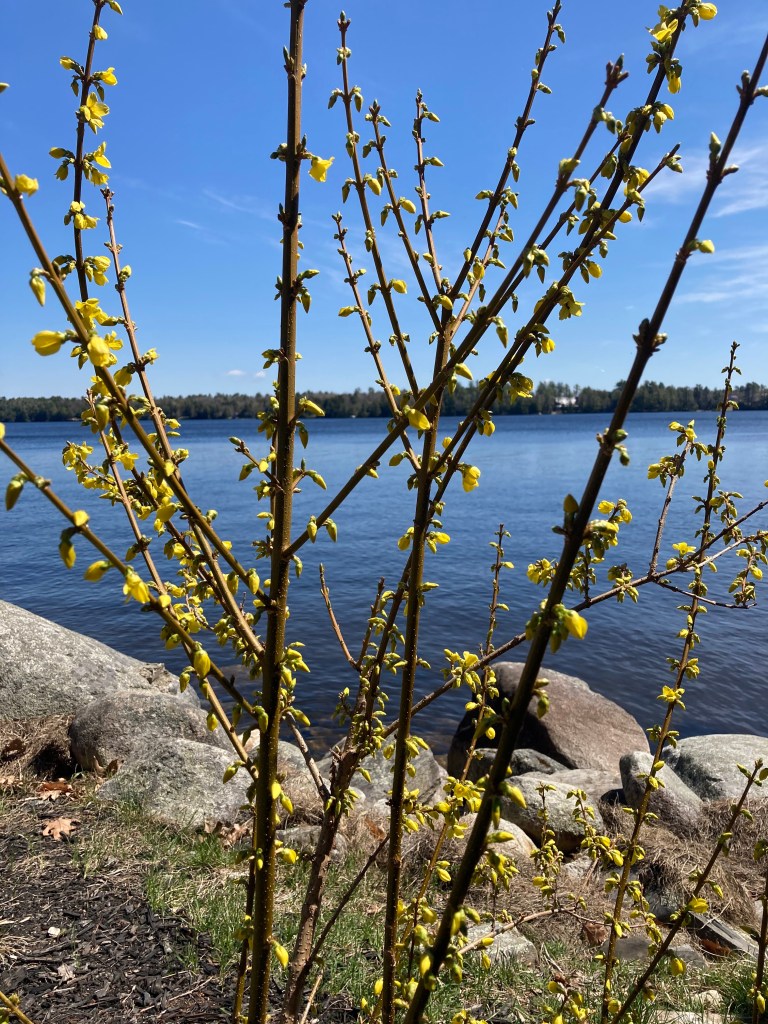
We came home on Monday to another beautiful day and the blossoms of spring in Maine. The forsythia is blooming and the rhubarb is starting to grow. It won’t be long before strawberry rhubarb jam season. My bleeding heart plant is growing so fast that I think you could actually see it growing. The daffodils are up and the birds are all traveling through … no sign yet of our hummingbirds but I’m sure they’ll be here early this year.

Life is good.

Gone knitting.

Wet Blocking vs. Steam Blocking vs. Spritz Blocking

Some tools you'll need: Eucalan (or Soak) wash and stainless steel t-pins

Some tools you’ll need: Eucalan (or Soak) wash and stainless steel t-pins

It took me awhile, when I started knitting, to figure out just what blocking means. There are a few (maybe several) terms that knitters use regularly that are not really clear to those who are new to the craft. So, I’m going to try to give a general description of two often-used blocking techniques – wet blocking and steam blocking.

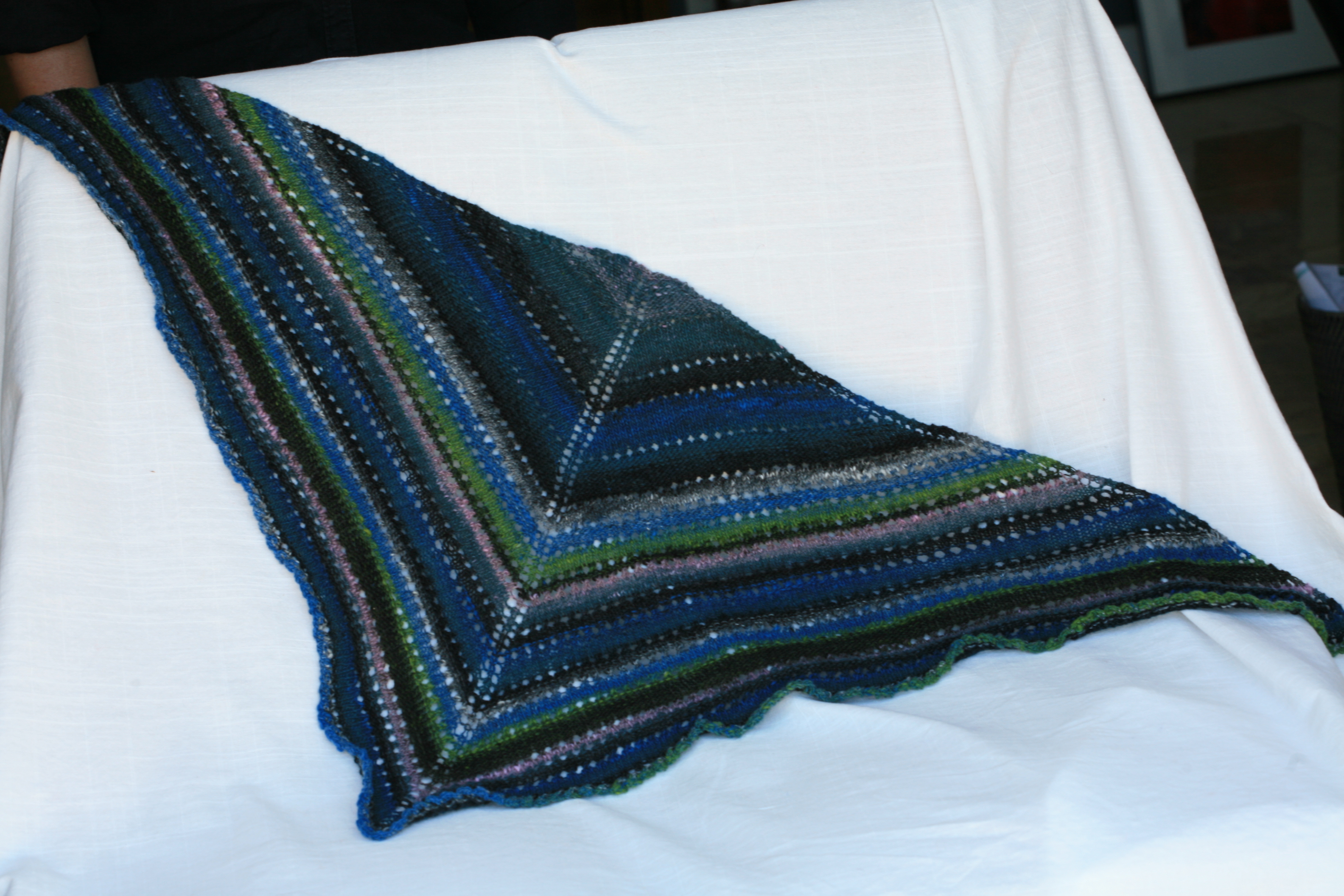
112312_8423

Blocked Shawl – wool. Wet blocked.

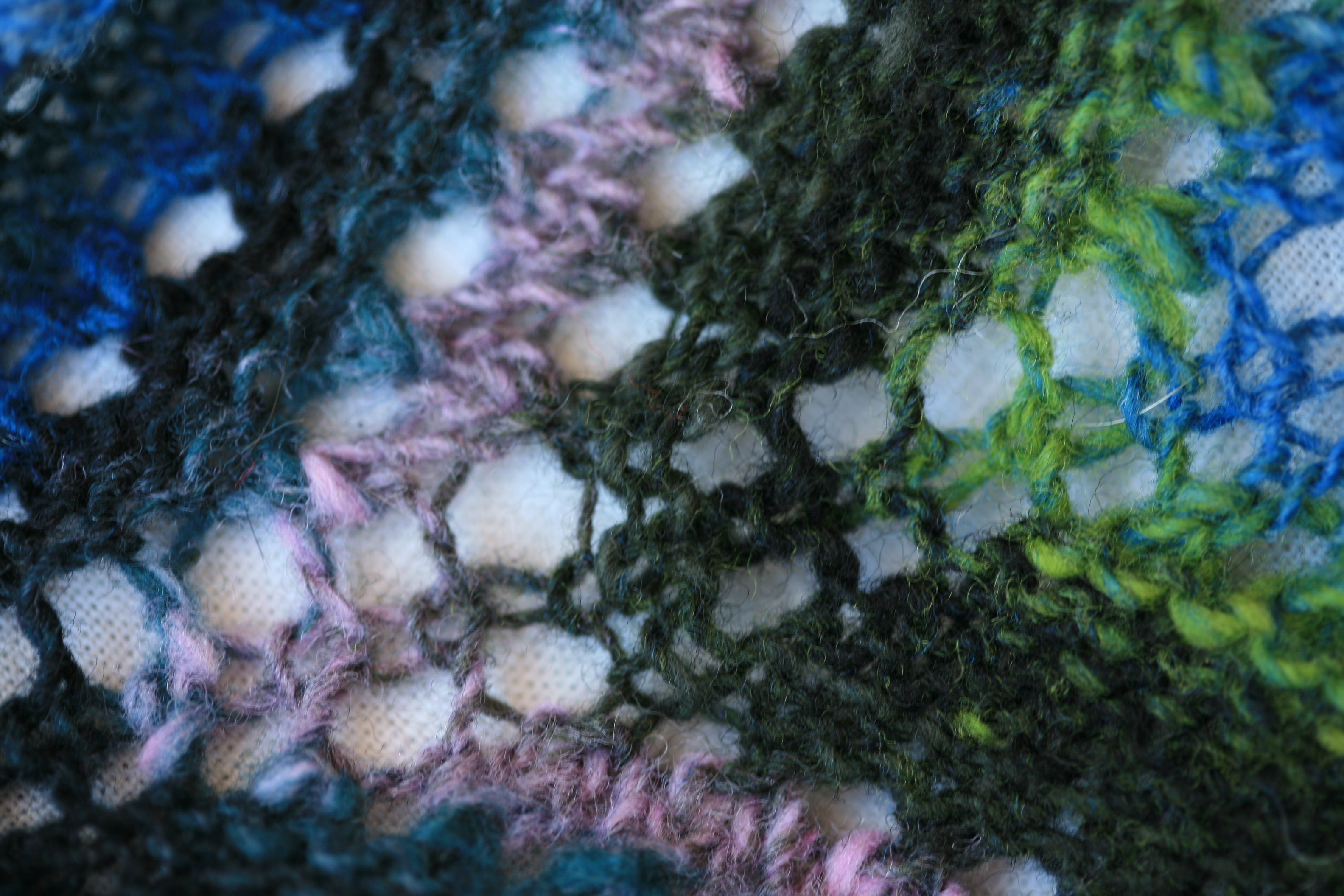
112312_8422

Close up of what happens to garments when blocked – the lacy details just come alive!

For most sturdy fibers, I like to wet block. Wool is a sturdy fiber (and if it has a little bit of man-made fiber blended in, it’s still sturdy enough). I would also suggest wet blocking linen garments. I’ve read that some people “whap” their linen once soaked … sounds violent to me but I know it does get “softer” when washed a couple of times.

To wet block a garment, you want to immerse the garment completely in cool water mixed with a little bit of wool wash like Eucalan or Soak. Gently lift your garment out of the water and gently squeeze the extra water out. Never (NEVER) wring hand-knit garments. I usually put the garment on a clean bath towel, roll it up and then press gently to get even more water out of the garment. Then lay it flat on a blocking board or a new clean towel on your guest room bed. Or on an infrequently traveled area of wall-to-wall carpet. Gently pull the garment to the right shape and measurements and let it dry. It may take a couple of days.

An alternate method is to steam block. I set my garment on a clean bath towel and with my steam iron set to the steam setting, Pin the garment into the shape/size that you want it to be. I hold the iron over (without touching) the garment and give it a jolt of steam or two or three. The heat and moisture will relax the fibers enough to make it possible to give it a little bit of adjustment. Let it dry completely. (Another way I’ve heard some people steam block is by using a wet (clean) pillow case on top of the garment and putting the iron onto the pillow, pushing the steam button, until the pillow case is dry. This is a gentler method than wet blocking and you should get the same result.

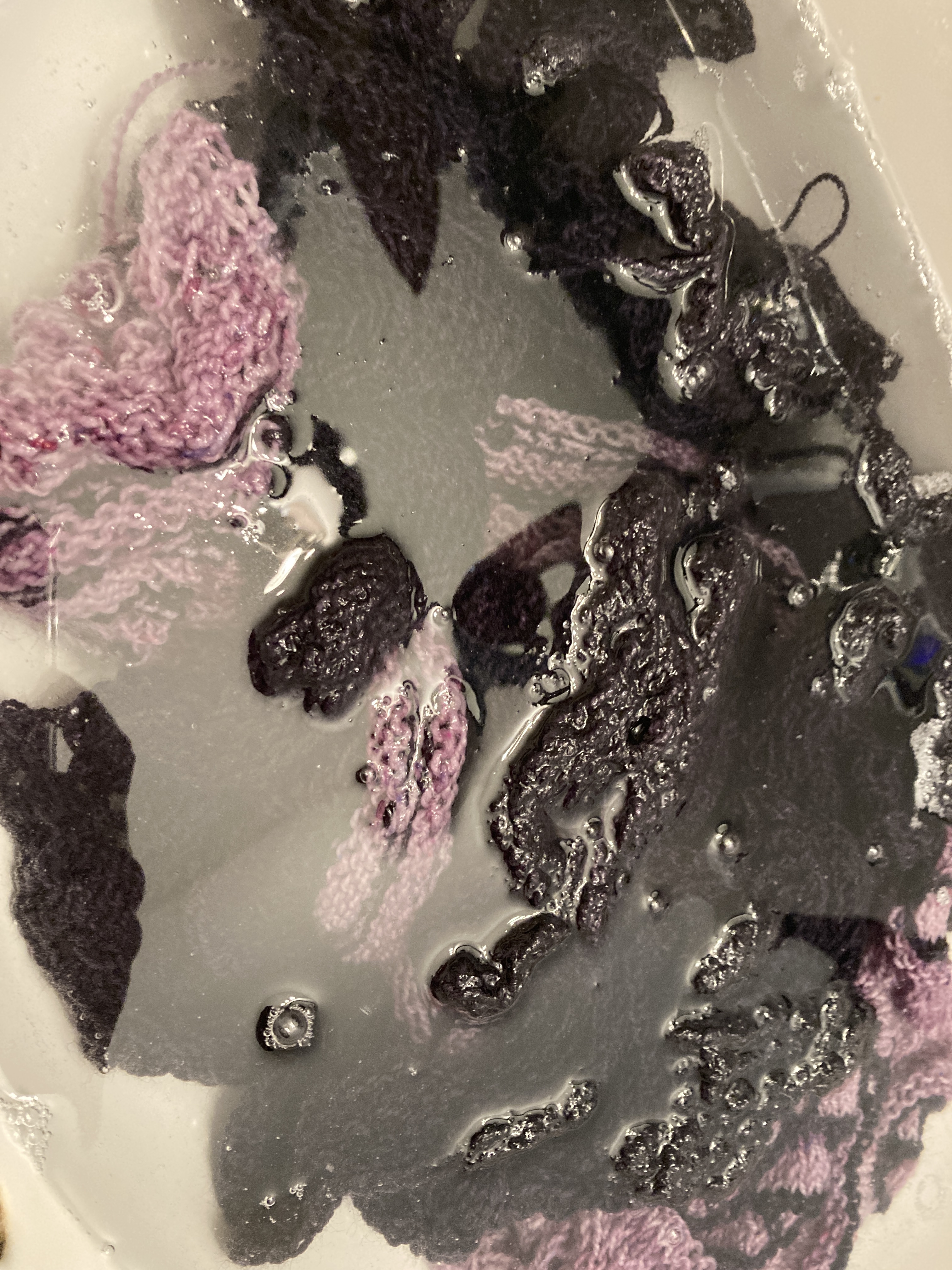
Note: If your garment is made of hand-dyed wool, and the color isn’t “fixed” and you see dye in the water when wet blocking, you can also add a little bit of white vinegar (a cap-full or two) which should help “fix” the dye. If color is bleeding, keep rinsing with cool water until the water runs mostly clear.

Lacy edge of a mink & cashmere blend shawlette

Lacy edge of a mink & cashmere blend shawlette (it’s for sale, if you’re interested)

The last method that I want to discuss is spritz blocking. If using this method (which is good for any fibers you have doubts about soaking in water or steaming with an iron … in my house that’s alpaca, silk, mohair, cashmere and anything I’m not sure of … I pin it into shape and then spritz it with a plant sprayer. Make sure the sprayer is clean (hasn’t been used for cleaning chemicals or anything) and filled with water and just spritz the garment until it’s moderately damp. Leave it there until it’s dry.

There you have it. A primer, if you will, on blocking. I hope this helps!

Gone knitting!