Fannar by Shannon Okey (aka knitgrrl)

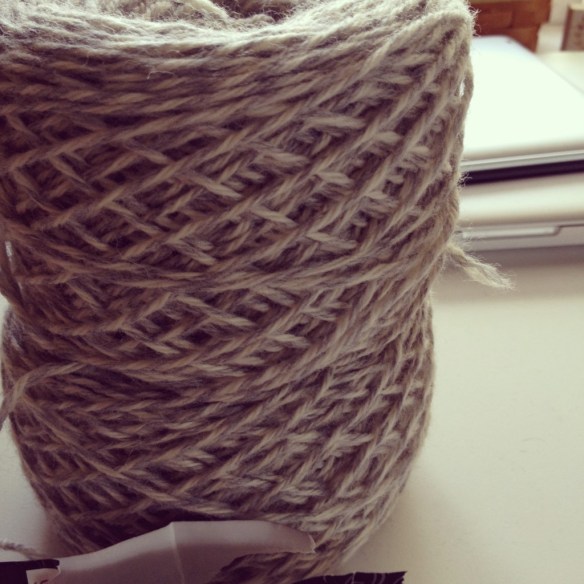
Yarn - Cascade 220  (Color #9401 Lot #0739

Yarn – Cascade 220 (Color #9401 Lot #0739

I am nearly done with my first test knitting “job”. It’s been a very rewarding experience, and beyond the knitting, I’ve been privileged to “meet” some wonderful and fun knitters. Enough so that I am hoping they’ll take me up on my offer to host a knitting retreat at our house in Maine next September (2015).

My pattern is called “Fannar” and will be in the new book, coming out soon, called “Frozen: Aurora Borealis Mittens.” (No, I didn’t get paid, since I know you’re all wondering!) When I received my yarn, “ordinary” Cascade 220 in a lovely ivory and grey tweed, I immediately felt some relief from my perceived design-envy. First lesson learned: You don’t have to use exotic (aka pricey) yarns when you design! Who knew!? I was so excited that I nearly tinkled! 🙂

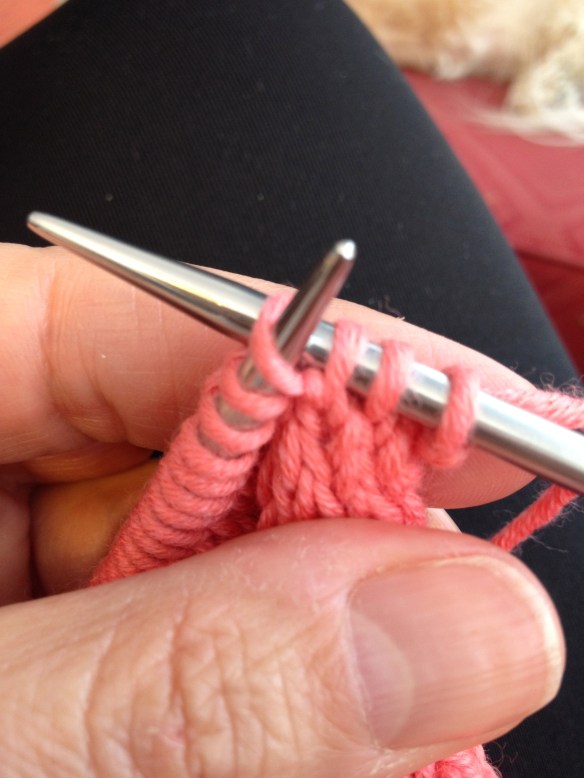
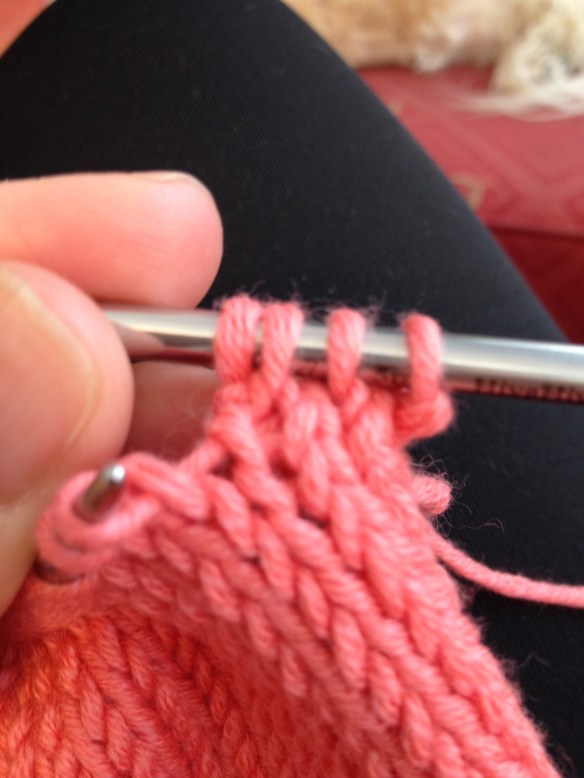
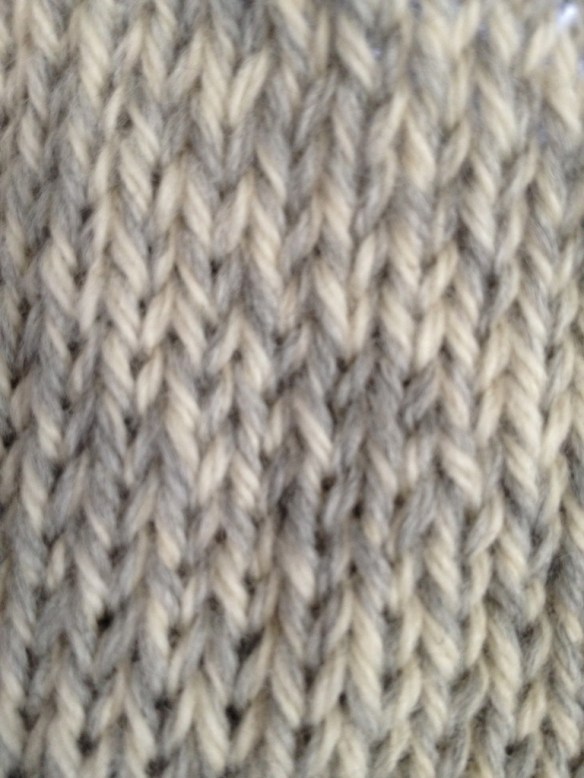
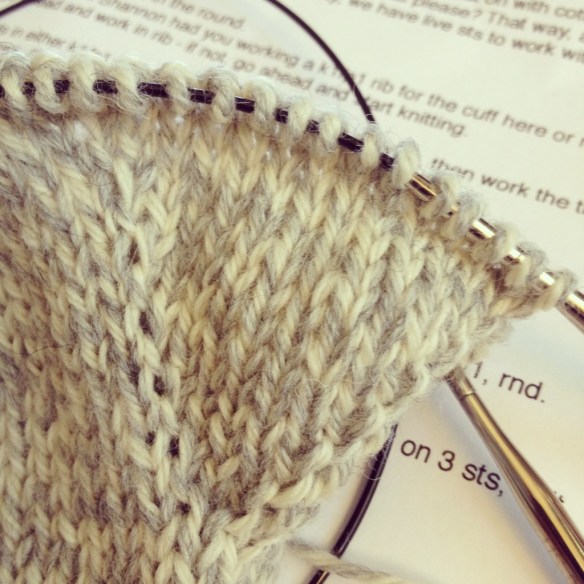
The fabric - unfelted

The fabric – unfelted

The initial pattern that I was sent was a chart. Now, I’ve knitted from charts many times before but never for an entire pattern and it was intimidating for about ten minutes. Until I realized that I knew this! I know this! I had it covered and I could do it. And I cast on with a provisional cast on to leave some live stitches for the cuff.

I knitted up the largest size and after I’d reached the thumb crotch my gut was telling me that this puppy was absolutely over-the-top humongous! I sent a photo to Shannon and she, too, was amazed at its girth. So, I frogged the behemoth and we started from scratch. As Shannon was out of town, Andi stepped in and whipped up an entirely new mitten pattern. And I started knitting again … this time a more appropriate size, even knowing that it is going to be felted.

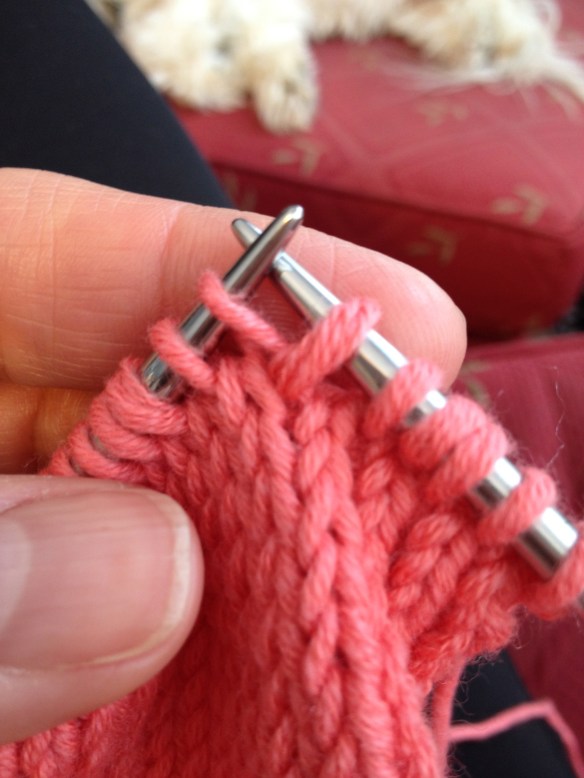
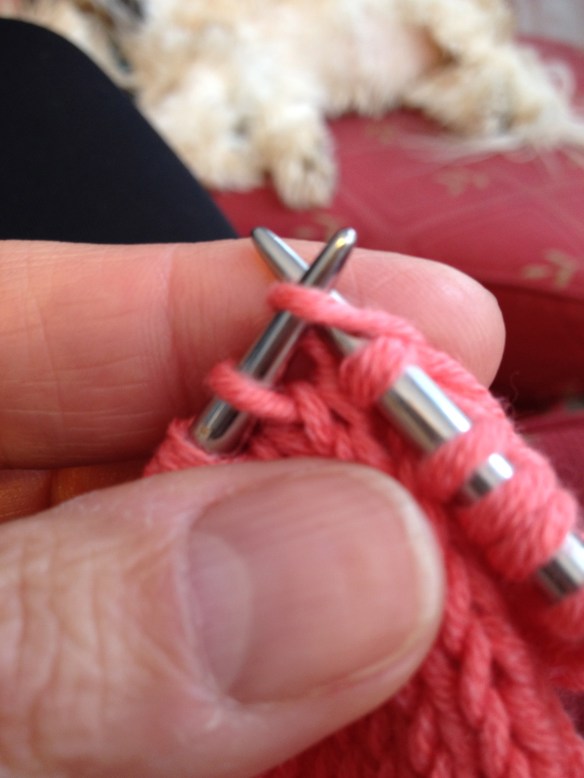
Thumb Gusset (part deux)

Thumb Gusset (part deux) – way more normal!

The second iteration of “Fannar” is much more normal and the knitting process is super quick. Since I got the one-color mitten, I think I got the easiest job in the book. It’s been super fun to follow the secret Facebook group and watch as other test knitters knit their patterns. And to learn about the comment threads via email, used to communicate. It makes me want to knit more color work. That may be my summer challenge.

I’m wrapping up the second mitten and will finish the second thumb today. Then my job will be over. I can’t wait to see the finished product – the mitten will be felted in Ohio and a cuff will be knitted on afterward (thus the special cast on). I think I am going to have to knit up a pair for myself and felt them and see how it turns out … just for sh#$s and giggles!

What an excellent experience!

Gone knitting.

Still Learning!

I may be creeping toward “old” but I am still learning every day. The lesson that I am learning right now is self-care. I’ve spent the majority of my life taking care of others; my children, my (now ex-) husband, my work, the kids at school, my dogs. You get the drift. I know that the old airplane adage is true. You have to put your own oxygen mask on before you help others… I’ve just never been very good at it. Today, my body has given me no choice. I have to stop and take care of myself.

I’ve taken myself to two urgent care offices in the last week and am not sure that I won’t be visiting my primary care physician before tomorrow ends. I have way more prescriptions than I’ve ever had on my kitchen counter. And I’m not all better in less than 24 hours. I just keep trying to remember to be patient. I’m really such a lucky girl to be as healthy as I am. Need I add the caveat, “at my age”?

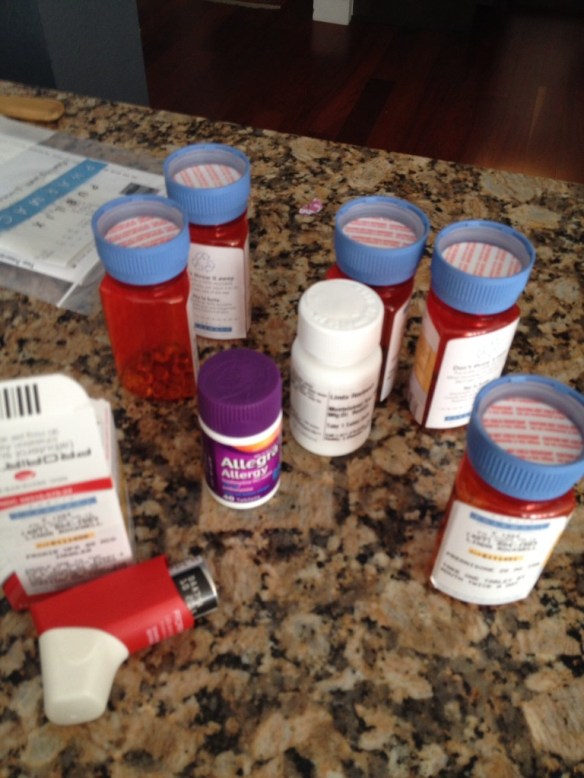
Yup, they're all mine!

Yup, they’re all mine!

So, you ask, what are you doing to take care of yourself today? I am working hard to stay still. I’m working on my test knitting project. This is the first time I’ve done any test knitting and I’m excited and anxious about it. I know I know how to knit and have knitted for other people before. But I’ve never knitted a sample for a new book before. So, I’m learning to be more confident. It’s only a pair of mittens for heaven’s sake! So, that’s my big project today. To take one stitch at a time and get ‘er done! I know I can do it (and I’m excited to be offered the opportunity!) Every new knitting experience that I take on makes me grow as a knitter and as a person, too. I learn more about myself and gain confidence with each new attempt.

My pattern is called “Fannar” and it is being stitched up in Cascade 220 on my US #8 needles. I’ll share more as it is allowed. For now, this project is being kept in the project bag! 🙂

My Cooperative Press Test Knit Project … just starting!

My Cooperative Press Test Knit Project … just starting!

So, for today, I’m managing many more medicines than I am accustomed to and I’m working on a project that is challenging my knitting boundaries … and will expand them without a doubt! I’ve helped to fund an Annie Modesitt book, History on Two Needles Exploring Art History Through Modern Hand Knits and now I’m knitting samples for Shannon Okey’s new book, Frozen: Aurora Borealis Mittens, due out “soon”.

Gone knitting!
Throw Out the Lifeline!

There is an old hymn that shares the title for my post. I guess I’m older than I think I am because I remember singing it at a hymn sing as a young girl in Tenants Harbor, Maine. As soon as I typed my title, I had to search for the song (to make sure I wasn’t remembering “wrong”!) There it was. What a wonderful memory! (Click here for the link to YouTube.)

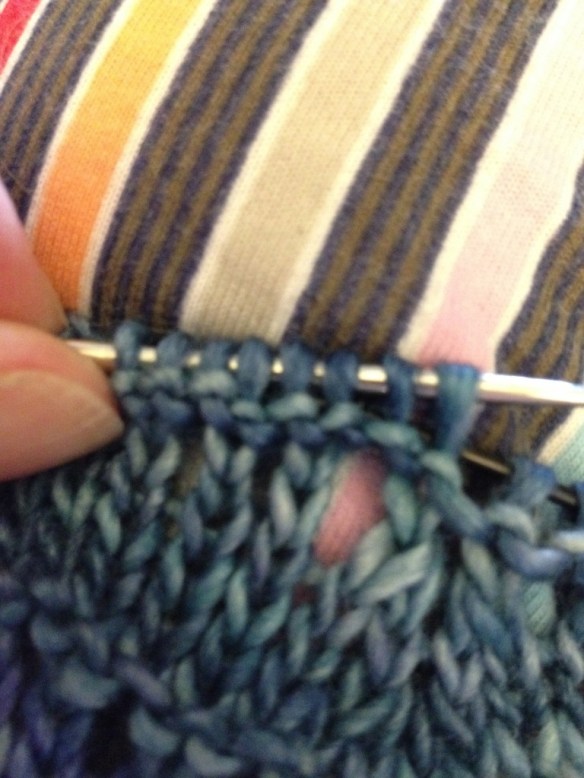
In knitting, a life line can be a project saver. I used one just this weekend when I was finishing my Jimmy Beans Wool Downton Abbey Mystery KAL … a lovely shawlette. I was really happy with the project and had a bit of yarn left over that I thought MIGHT be enough to have a third repeat of the lace edge. On Thursday night I expressed my concern to my knitting friends and Kelly suggested that I give it a try but use a life line (just in case)! What a wonderful suggestion.

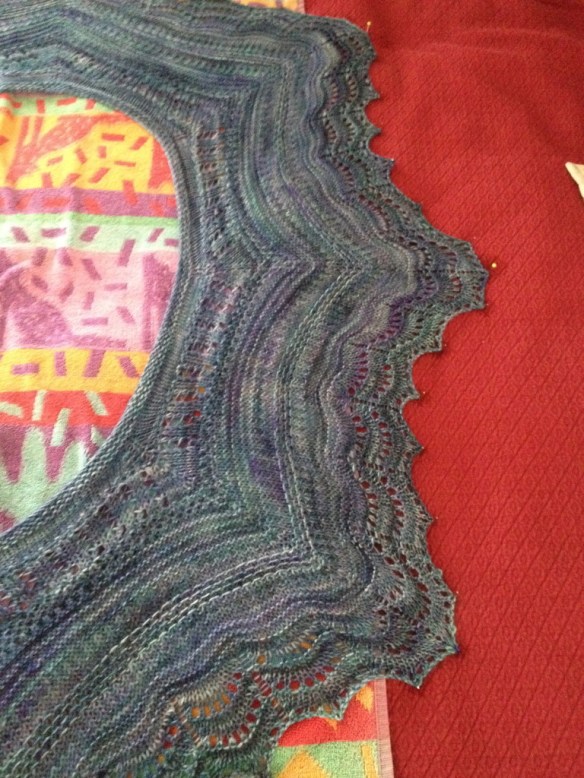
Here’s what mine looked like when it was being blocked …

My Shawlette in Malabrigo Silky Merino color 856 Azules

My Shawlette in Malabrigo Silky Merino color 856 Azules

Never used a life line? Really!? Well, I have to confess that I hadn’t used one before. But it’s really quite simple. This is all it takes …

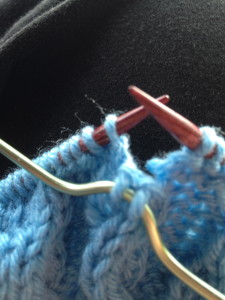
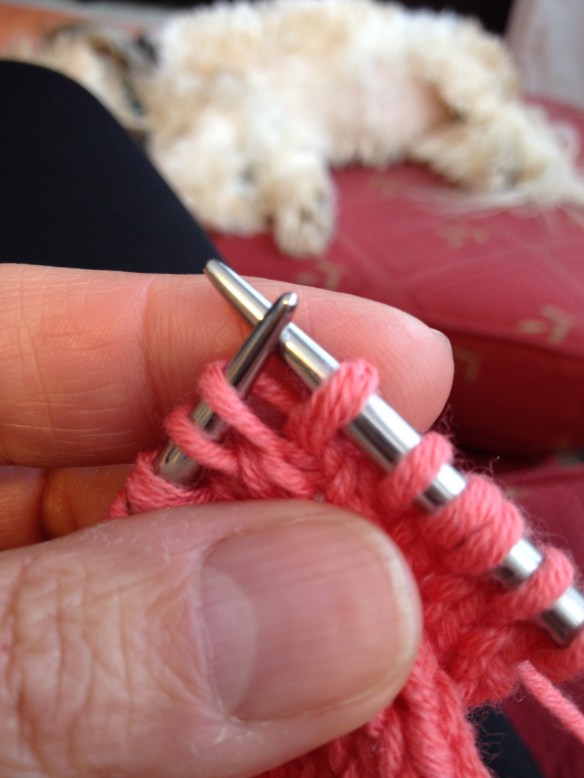
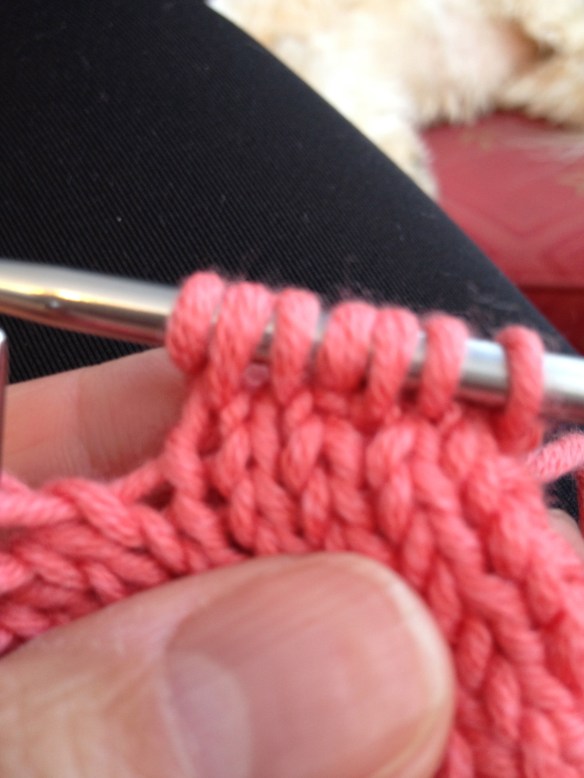
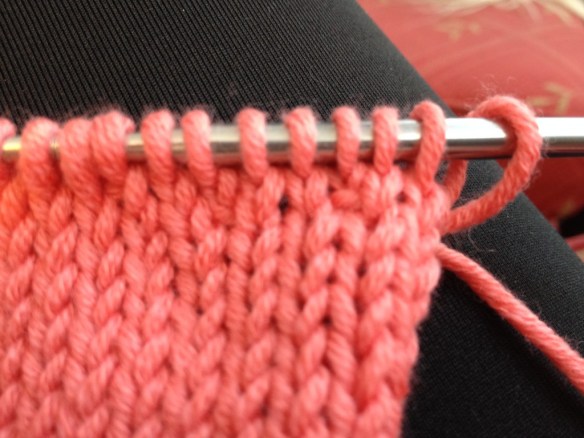
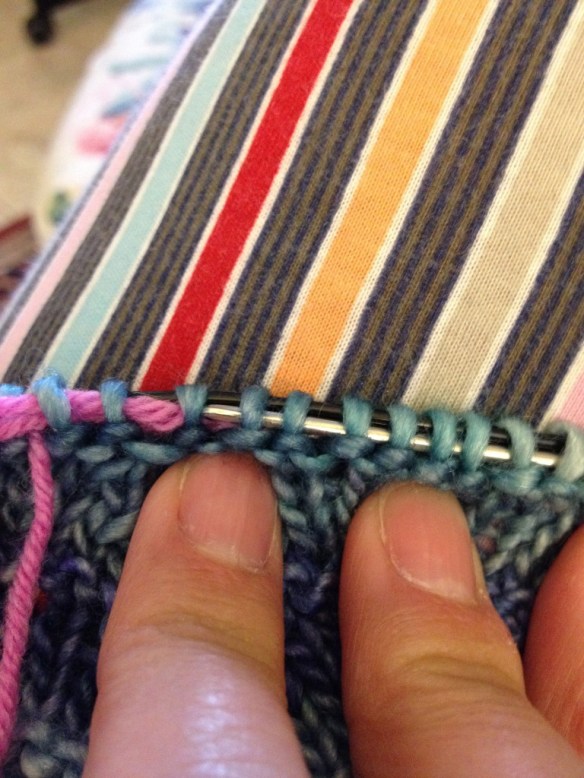
Life Line (pink) …

Life Line (pink) … Wow! I need a manicure! 🙂

All you have to do is get a different color bit of yarn. Since I was knitting a lace piece with several hundred stitches, I kept it really long so I didn’t drop stitches off the life line. That would be disastrous!

With your tapestry needle, thread the life line (pink) through every stitch.

With your tapestry needle, thread the life line (pink) through every stitch.

Thread your tapestry needle and  starting on one end of your work, run the life line through every stitch. (Note: do not run the life line through your markers as this will cause trouble when you go to knit! Run the life line under the markers.)

What you need to do before you start knitting again is make sure that the life line is “in the same place” and no wound around the needle. I made sure that my life line was beneath the needle sitting on the bottom of my last row of stitches. Once you start knitting, just make sure that you don’t knit your life line in with your stitches.

I was super lucky this time and I did have enough yarn. I may have been able to knit ONE more row … but I was concerned that I wasn’t going to have enough for the one knit row and then a bind off row. So, my last row was a knit and bind off at the same time.

I’m really pleased with the end result … I can’t wait to wear it!

Gone knitting!
Learning Something New

This week I started a new job with a day of training and then “bam!” I hit the ground running. I am the Clinic Assistant at my local elementary school … what used to be the school nurse but public school budgets don’t have the budget to pay an RN so they train us to do the job under their supervision.

So, I’m learning a lot of new things. How to take in and administer medications for students in my school. How to deal with angry parents who didn’t educate themselves. How to follow new procedures. How to deal with “politics” in the office and how to create healthy boundaries so that we all do our jobs in a cooperative, collaborative and happy environment.

Today I taught myself something else new. I learned to crochet!

I learned it by watching this most excellent tutorial on Youtube! It’s provided from All Free Crochet (dot) com and Nastazia … check them out (since I can’t teach crochet just yet!)

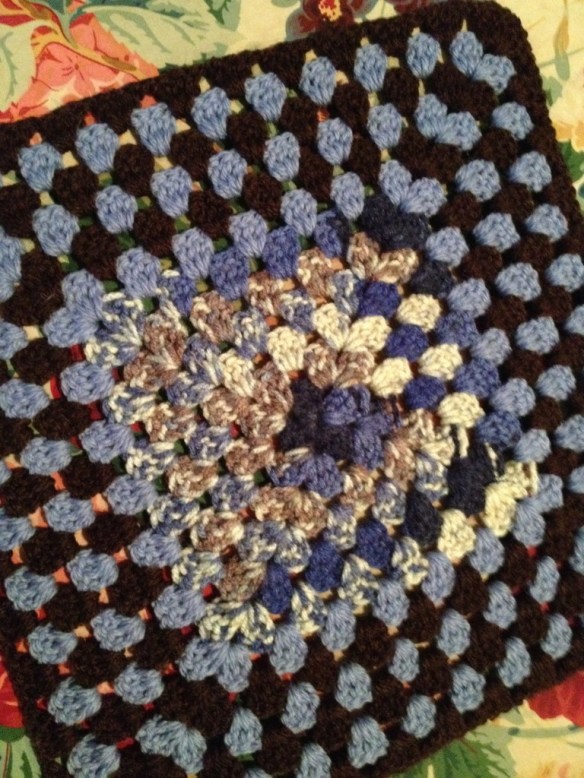
My first attempt was nowhere near a square shape. The sides were all sorts of wonky.

First Attempts

First Attempt

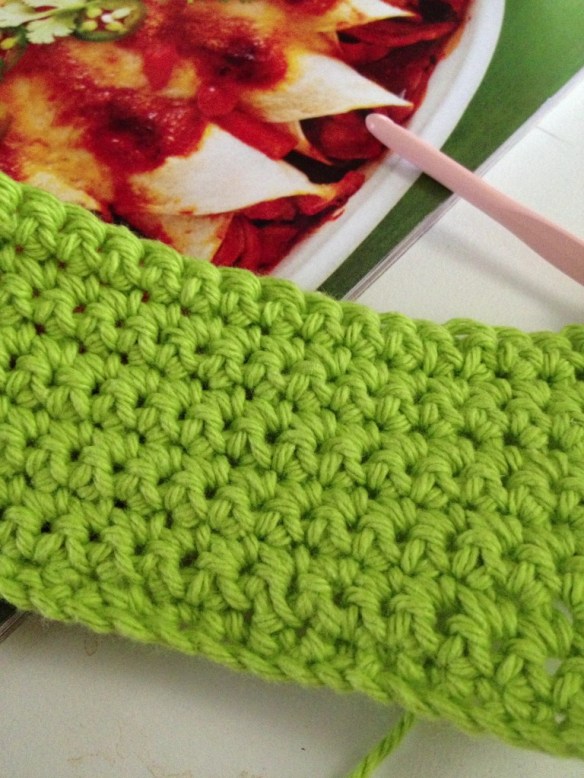
It was supposed to be a washcloth or dishcloth but I didn’t have the proper size of crochet hook. My hook was somewhat smaller and so was my swatch … so we’ll call it a coaster! 🙂 I also used cotton rather than acrylic (because if my dishcloth had been dishcloth size, I would certainly not have wanted it to be acrylic … acrylic doesn’t really absorb! Anyway, my first attempt (which isn’t well photographed) looks much better here than it turned out. It was the most oddly shaped piece of work EVER! So, I frogged it and started again.

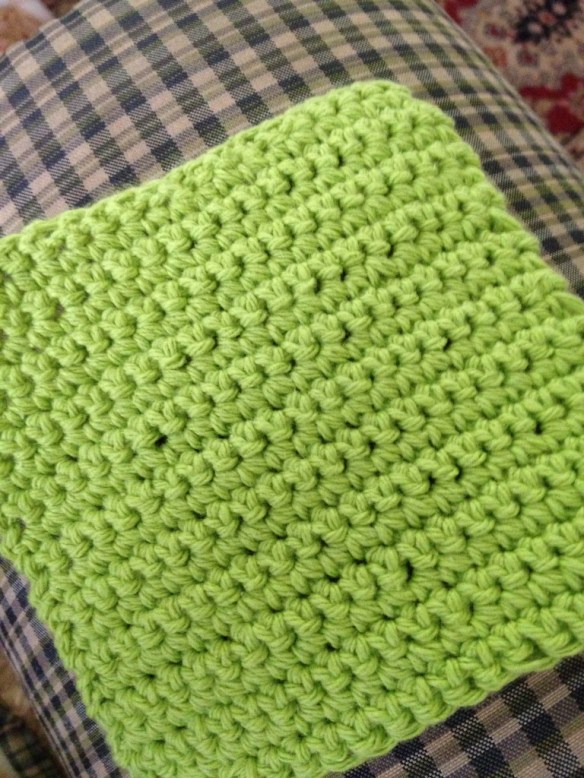
I’m super pleased with my second attempt!

Second Attempt

Second Attempt

My second swatch is a real square and it has fairly decent tension. Tah! Dah!

I guess I am going to have to take a trip to Joann’s now to buy some larger metal crochet hooks so I can keep learning … it is a lot quicker than knitting and some of the new patterns that I have been seeing (in crochet) are so cute. I have been threatening to learn for so long. It’s about time I finally just did it!

And now I am feeling proud!

I can crochet … the Queen Bee Knits and Crochets, too!

Gone shopping!

Certification Interview Butterflies

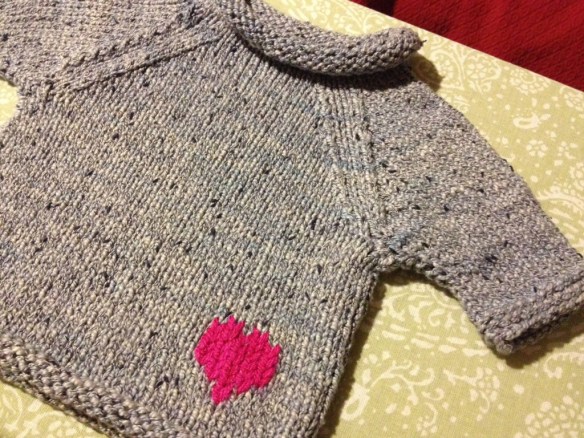
Queen Bee Knits Original Design - Baby Sweater

Queen Bee Knits Original Design – Baby Sweater – for CYC Certification

I’m awaiting the phone call from my CYC (Craft Yarn Council) Master Teacher who has received all of my Level 2 Knitting Certification materials! I’m a little bit nervous and anticipating that I did well because I’m a good knitter. I’m a good knitting instructor, too. I know this but I am also human and, as such, I have that tiny kernel of doubt or the concern that I made a mistake.

When we put ourselves out there to be critiqued by another person, it’s humbling. It makes us feel, in the process of having our work judged, a little bit judged ourselves. But having put the effort into the work and knowing that I can do it all, I am eager, too, to grow from the experience.

But I do have butterflies in my stomach!

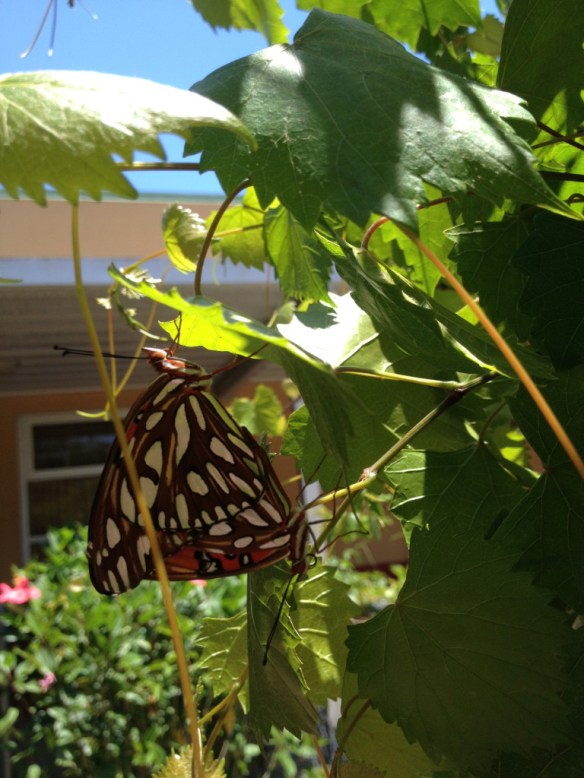
Gulf Fritillary ... Mating Season

Gulf Fritillary …
Mating Season


Which reminds me of this photograph that I took at school this week.

We have a butterfly garden in the center of the campus. Our class has watched the eggs on the leaves, hatching into baby caterpillars and then growing into big fat caterpillars and then forming the “J” of the chrysalis. There are butterflies in the garden now and these two are mating. They are a beautiful bright orange butterfly when in flight but when sitting on a branch, they are nearly invisible with their coloring.

Gotta love Mother Nature!

Gone knitting!
PS – I passed my level 2 certification this afternoon. Yay, me! What a fun conversation with my master teacher!


How to Knit i-cord

I-cord is not a difficult thing to knit and it can be used for so many projects.

Recently, I knitted i-cord ears for a Tiny Baby Bunnies pattern and you can see pictures of my projects on my blog, here, or on my Ravelry page, here.

I’ve also used them for embellishing knitted garments like my Senorita Lolita dress and on an original cowl that I knitted and is for sale in my 3 B Street shop.

Senorita Lolita (Copyright 2011 Prima Dogma by Queen Bee Knits

Senorita Lolita (Copyright 2011 Prima Dogma by Queen Bee Knits)


Butterscotch Cowl Copyright 2013 Queen Bee Knits Original

Butterscotch Cowl
Copyright 2013
Queen Bee Knits Original


I-cord is a spiral “tube” of knitting that is constructed by sliding the working piece from one side to the other side of your DPN.

It’s a great handle for knitted (and felted totes), it’s a great embellishment for knitted garments (and can be formed into flowers or stems or just about anything you can imagine!

It’s also very simple to knit!


Here is what you need to know to be successful when knitting i-cord!

Cast on the required number of stitches to be used for the i-cord (in this case, I used 6 stitches.)

Cast on # of Stitches

Cast on # of Stitches

Slide your stitches to the right side of the DPN (do NOT turn your needle!)

Slide stitches from cast on position at the left of the needle to the right side

Slide stitches from cast on position at the left of the needle to the right side

Knit all stitches (to knit the first stitch, you’ll bring the working yarn around the back of your needle and give the first stitch or two or three a good tug to pull the yarn so there won’t be a huge gap but don’t worry too much as the next few rounds will help even it out!)

Note that the stitches will be on the left side of the DPN. Do NOT turn your needle.

Knit all stitches

Knit all stitches (sorry, it’s a little blurry, but you get the idea!)

Slide the stitches to the right side of the needle and knit all stitches again.

Repeat sliding the stitches from the right to left of the DPN and knitting all stitches until i-cord is the right length for your project. It is also helpful to give the “tail” a tug or two to get the i-cord to stretch out & down.

After a few rows, you’ll start to see the tube starting to take form.

After a few rows of knitting (9 here)

After a few rows of knitting (9 here)


Queen Bee Knitting Tip

Queen Bee
Knitting Tip


Knitting Tip – When you’re knitting circularly (in the round) on double-pointed or circular needles, in order to keep your knitting from getting “ladders” where the needles meet, remember to give an extra tug (gently, don’t break your yarn!) on the first and second stitches as you start working on a new needle. This will lessen the chance of ladders happening which are unsightly in your knitted garments. Trust me, I’ve got plenty of experience! 🙂

So, there you go! Practice this a few times and you’ll have a great new trick in your knitting arsenal!

Gone knitting!
An Easter Story

When I got divorced, my life changed drastically. It was (I was?) all turned upside down and I didn’t realize that it would never be the same. I have been working for the last six (plus) years on building a new iteration of my life. Some parts are very, very different. Some are similar. I work to maintain threads of some traditions that we valued as a family even though the family is not the same. And there are some parts that I am grateful to have given up & thrown away. We’re making new traditions, too. Figuring out how to be a family after a divorce isn’t easy and it takes time and perseverance.

The part of my life that I love the most is my children and this “Easter” (at least the few days leading up to Sunday) I got to spend some time in New York City with all three of my children. There’s nothing like it. And I am so proud (I know I’m repeating myself) of the people they are becoming … productive, self-supporting, happy, and fun to be with. All following their passions and building lives of their own. What a mother wants for her children and yet, also, requiring her to let them go … a mother’s worst heartbreak. A double-edged sword.

But this post isn’t written to make you sad. It’s joyful. I’m so happy to have spent time together in New York. And my little dogs were happy to see their “kids”, too! We also got to meet my son-in-law-to-be’s family for the first time which was a treat. Despite her concerns that someone would start a conversation about religion or politics and that everything would explode, we all got along. We all love this young couple bunches. Enough to be there for them and support them, no matter what.

What I realized this Easter is that I am “rising up” into a new life where I will be happy; filling my life with people I love and following my passions, too. Leaving the world, I hope, a better place. Making a difference in the life of a child. Just as I taught my children to do, I am now encouraging the same bravery in myself.

I didn’t take enough pictures but I have a heart-full of  memories to carry with me. Until the next time we meet!

Gone Knitting.

Writing Your own Pattern – A Scarf

This Princess Scarf article (that I cannot read) has a photograph of a lovely scarf on the Princess of Norway’s neck. It’s a variegated pink yarn that is quite lovely with the background being her black and white outfit. (I tried, I really did, to get the photo inserted here. No luck! That’s why you have to click and go to see the scarf. It’s worth it, I promise, it’s very pretty!)

So, the big question here is, how do you knit a scarf like this?

IMG_0310The first challenge, obviously, is to find a similar yarn. I’d suggest printing the picture and heading out to your local yarn shop. It doesn’t matter what “weight” of yarn you choose because I’m going to tell you how to write your own pattern. But what you do need to know is how to find yarn that will mimic the scarf so that you won’t have a scarf that looks NOTHING like the Princess’!

The “Princess” scarf has a short color change. The pink and pink or pink and cream colors are fairly consistent across the knitted cloth in short lengths and nearly looks like it is “tweedy” or “mottled”. So you’re going to look for yarn that has short color changes. This yarn looks like it’s a lighter weight than a “chunky” or “bulky” yarn and is likely worsted or sport or even sock weight. It’s also a smooth yarn rather than a “thick and thin” or “slubby” or “fun fur” or even of a fiber that has a “haze” like angora or mohair. If you like another color, this is the time to choose color wisely – make sure you love it!

I went online to Jimmy Bean’s Wool and found a couple of different yarns that might work: Madelinetosh Prairie Short Skeins Yarn in Fragrant or Universal Yarns Bamboo Pop Yarn in Pink Joy. The first is a fingering weight and the second is a DK weight. Neither color is exactly like the Princess’, but both would work. Obviously, one will be lighter than the other. Take into consideration how cold it gets where you live! (I live in Florida and it’s not very cold here. Ever!)

needlesOnce you’ve found your beautiful yarn, you need to match it with an appropriate sized needles. The Princess’ scarf is not lacy or open, the stitches are close together. The yarn band or tag will tell you the needle size recommended for your yarn. Sometimes there is a choice (it may say on a size 1-3 or 3-5). Next you need to mix up your yarn and needles by making a swatch. You can read my post about swatching here! And there is a great article on Knitty here. Now you’ll be able to see how your yarn is knitting up and see how many stitches you need to cast on!

Now, it’s time to decide how wide you want your scarf to be. I’m guessing that the Princess’ scarf is about eight inches wide. But you can make yours as wide or narrow as you like (and you can even start, frog and start again if you don’t like it. I give you permission!)

The Universal Pop yarn says to use needles size 5-7 and I’ll get 5-6 stitches per inch. Measuring my gauge, let’s say I get 5 stitches per inch on my US 5 needles. And I want my scarf to be 8 inches wide. I need to cast on 40 stitches. (5×8=40).

For this scarf, I’m going to use a stockinette stitch (knit on the right side, purl on the wrong side) and I’m going to continue in this pattern throughout. It looks like the original scarf is pretty long – and I’m going to knit my scarf until it’s about the same length (or the length I like) and then cast off on the right side.

Ta Da! You have just designed your very own scarf!

A couple of tips …

1. Your edge will be much prettier if you slip the first stitch in every row. Slip it purlwise or knitwise but be consistent!

2. Block your scarf! (See my post about blocking here!) It will hold its shape and the sides of stockinette stitch fabric are famous for rolling. Blocking will help it to unroll … but if you look at the Princess’ scarf, you’ll see it does roll a little bit! 🙂

Gone knitting!


“Can Do”

I have so enjoyed my teaching experience so far.

Today we had a short day – one class and then lunch with the Yarn Nook girls and off we went to sit at my brother & sister-in-law’s house on the back patio and knit! (Like we don’t get enough of it!) It felt good to have a short day after yesterday which was our marathon knitting and teaching day. We will probably not stay all day next week when I have three classes! Even crazy old me needs a break!

I love the challenge of teaching a student who is really stretching herself in a class. Challenging herself to do something that is really difficult and, perhaps, even something that she may not be ready to attempt yet. Those fearless knitters are the ones I admire. Partly because it’s so gutsy. Partly because I was not that type of knitter. Or at least that’s not how I classify myself.

There is a lot to be said for trying something that’s really difficult. It’s good for our brains, it’s good for our souls. The sense of accomplishment is incredible when you finally “get it!” I am happy with the progress that all of my students have made. They’ve worked hard. They’ve (mostly) had that “can do” attitude and it’s such fun to be teaching such a great group of women!

Gone knitting!


The Anatomy of a Sock

Circle of Life Socks

Circle of Life Socks for baby – pattern by Cat Bordhi

As I was sitting here in my atelier last night, I started thinking about how much people know about socks. I’ve knitted quite a few socks; baby socks, short socks, bed socks, yoga socks, cabled socks, patterned socks … toe up socks, cuff down socks, socks on DPNs, socks on two circs, magic loop socks … you get the general idea. Right?

Turkish Bed Sock

Turkish Bed Sock by Queen Bee Knits – pattern by Churchmouse Yarns

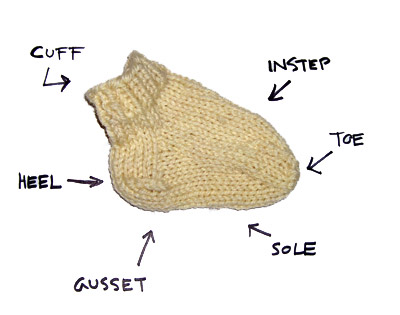
Well, what are the parts of a sock? Do you know what they’re all called? If you’re a knitter like me, you may … or may not! So, let’s do a post about the anatomy of a sock.

Whenever I’m preparing to write a post on knitting, I go out to the internet to search the topic. I searched the internet “Anatomy of a Sock” and this is what I found. A wonderful article, entitled Sock 101, already written beautifully by Knitty – a great resource and some fun free patterns – so I don’t have to write it myself. I can merely comment and compliment the Knitty article. Because there’s no use recreating the wheel, right?

Knitty's Picture of the Anatomy of a Sock

Knitty’s Picture of the Anatomy of a Sock

There it is. The perfect picture of the anatomy of a sock! Perfect!

Depending on the pattern that you’re using, you may start at the toe or the cuff. Everyone stresses (at least when you’re a new sock knitter) about turning the heel. The beauty of it, however, is that all socks have all the same parts. Once you know the anatomy of ONE sock, you know it all! It’s beautiful, isn’t it?

Birthday Party Socks - by Queen Bee Knits

Birthday Party Socks – by Queen Bee Knits

If you haven’t knitted socks yet, you really should give it a shot – they’re so satisfying to knit and when they are finished and you put them on your feet or give them to someone as a gift, it’s amazing. They fit so well, they feel so good. And as a gift, they’re not soon forgotten – a true labor of love.

A personal sock story and then I’m going to end – I bought a ball of sock yarn with the idea that I’d make them for my son (then a freshman in college) because the colorway was similar to tiger stripes and he’s a Cincinnati Bengals fan – hey, no comments necessary, we lived his entire lifetime in Cincinnati! When I told him I was making him socks, he sweetly(-ish) told me he didn’t want hand-knit socks. Because I had the yarn, though, I didn’t pay attention and knitted the socks and gave them to him for Christmas one year.

Who Dey!

Who Dey! Socks by Queen Bee Knits

He graciously put them on his feet on Christmas day. Then, awhile later, I got a call from him,

“Mom, about the socks you knitted for me …?”

“Yes?”

“I love them. Will you make me some more?”

Like a good custom shirt or suit or whatever else is made specifically for you, hand made socks are super special. My brothers, boyfriend, niece and at least one daughter have pairs of their own. My goal is to knit some for all of my family. My son has three pairs that I’ve made to his request … including a brown pair that have a short cuff, a black pair and the Who Dey! socks that were his first. We all know that our first is something special!

The anatomy of a sock. There you have it. Now go get your yarn and needles and start knitting a pair! A good place to start is with Knitty’s Fuzzy Feet … worsted weight yarn and on a large scale. One step at a time. You can do it!

Gone knitting!